Heel Spurs and Heel Pain

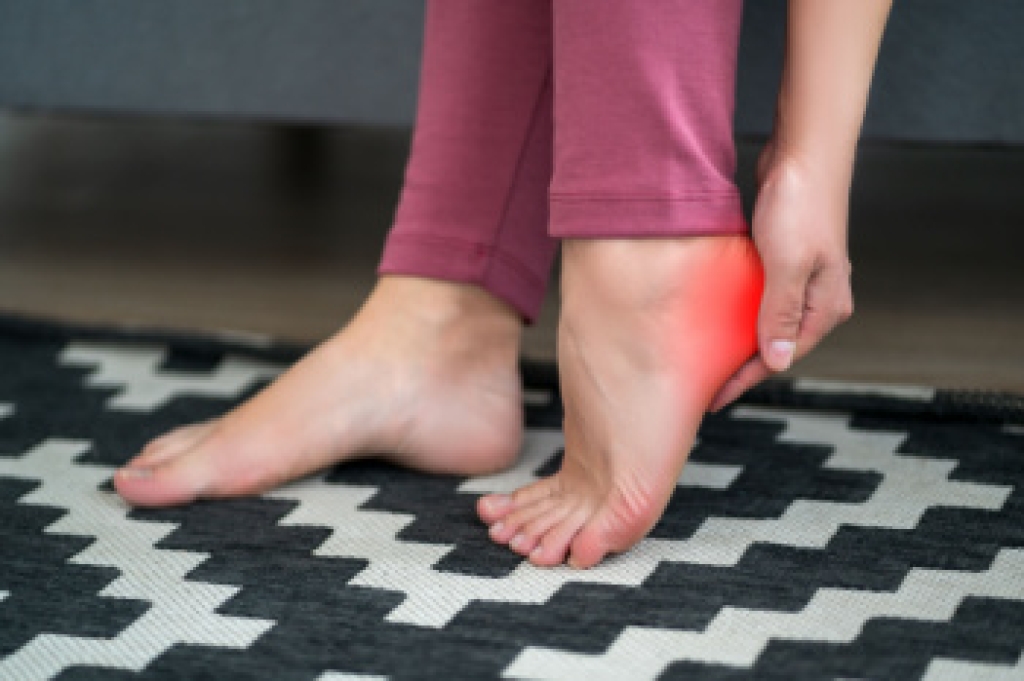
Heel spurs are bony growths that develop on the heel bone and may be associated with heel pain. Two common types can form in different areas of the heel. A plantar heel spur develops on the bottom of the heel where the plantar fascia connects to the bone. The plantar fascia is a strong band of tissue that extends along the bottom of the foot. These heel spurs often have a hook-like shape and may occur with plantar fasciitis. Although heel spurs are common, many do not cause symptoms. The likelihood of developing bone spurs also increases with age.


Plantar heel spurs can develop as the bone responds to repeated stress. Strain on the foot muscles and ligaments, excessive stretching of the plantar fascia, or repeated damage to the heel bone lining may contribute to their formation. Heel spurs are also associated with obesity and osteoarthritis. Another type of heel spur can develop at the back of the heel where the Achilles tendon attaches to the bone. This type is associated with insertional Achilles tendonitis. The bone growth may irritate the Achilles tendon and contribute to further tendon damage or heel pain. This problem often develops gradually rather than following one specific injury.


A podiatrist can evaluate heel pain and determine whether a heel spur or a related foot problem may be involved. The location of discomfort can provide important information because heel spurs may develop on the bottom or back of the heel. A podiatrist can also assess how symptoms affect ankle movement and daily activities. Since many heel spurs do not cause pain, identifying the actual source of discomfort is an important part of determining appropriate treatment. Heel pain associated with the Achilles tendon may become worse when running, jumping, or climbing stairs. If ongoing heel pain is interfering with comfortable walking or physical activity, it is suggested that you consult a podiatrist for an evaluation and appropriate treatment options.

Heel spurs can be incredibly painful and sometimes may make you unable to participate in physical activities. To get medical care for your heel spurs, contact one of our podiatrists from Podiatry Associates of Texas. Our doctors will do everything possible to treat your condition.

Heels Spurs

Heel spurs are formed by calcium deposits on the back of the foot where the heel is. This can also be caused by small fragments of bone breaking off one section of the foot, attaching onto the back of the foot. Heel spurs can also be bone growth on the back of the foot and may grow in the direction of the arch of the foot.

Older individuals usually suffer from heel spurs and pain sometimes intensifies with age. One of the main condition's spurs are related to is plantar fasciitis.

Pain

The pain associated with spurs is often because of weight placed on the feet. When someone is walking, their entire weight is concentrated on the feet. Bone spurs then have the tendency to affect other bones and tissues around the foot. As the pain continues, the feet will become tender and sensitive over time.

Treatments

There are many ways to treat heel spurs. If one is suffering from heel spurs in conjunction with pain, there are several methods for healing. Medication, surgery, and herbal care are some options.

If you have any questions, please feel free to contact our offices located in Arlington Weatherford, Mineral Wells, and Farmers Branch, TX . We offer the newest diagnostic and treatment technologies for all your foot care needs.

Read more about Heel Spurs

It's Time for Beautiful Feet

You don't need an excuse to have beautiful nails. Step outside without worrying about the appearance of your feet.

Warning Signs of Ingrown Toenails

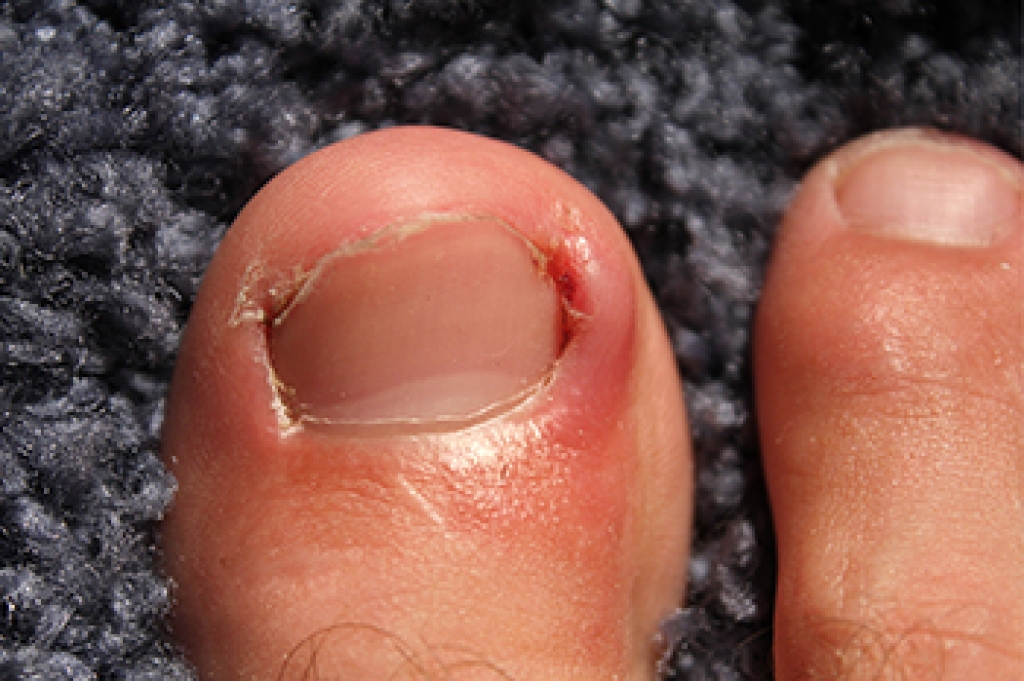
An ingrown toenail occurs when the edge of a toenail grows into the surrounding skin instead of growing forward. Early symptoms may include tenderness, redness, and discomfort along one side of the nail. As irritation increases, the skin around the nail may swell and become painful. Severe pain can make walking or wearing shoes uncomfortable. Recognizing these signs early can help prevent the problem from becoming harder to treat.

Several factors can cause or increase risk for an ingrown toenail. Cutting toenails too short can encourage the nail edge to grow into nearby skin. Wearing tight shoes can place pressure on the toes and cause irritation. Obesity may increase pressure on the feet and raise the risk. Each factor can leave clues. A nail cut very short may have sharp edges, tight shoes may cause pressure marks, and increased foot pressure may worsen tenderness.


A podiatrist will examine the toenail and surrounding skin to assess severity. Mild cases may be treated by gently lifting the nail edge and recommending proper nail care. The podiatrist may recommend footwear with enough room for the toes. If there is significant swelling, drainage, or severe pain, a small portion of the nail may be removed to relieve pressure. If infection is present, appropriate medication may be prescribed. Treatment can reduce discomfort and help the nail grow normally.


You can reduce your risk by trimming toenails straight across and avoiding cuts that are too short. Choose comfortable shoes with adequate toe room, and keep feet clean and dry. Do not dig into the nail or cut deeply into the corners, to avoid worsening irritation. Podiatric care is needed when redness, swelling, or pain continues. If you have a painful ingrown toenail, it is suggested that you consult a podiatrist for effective treatment solutions, which may include minor surgery for relief.

Ingrown toenails may initially present themselves as a minor discomfort, but they may progress into an infection in the skin without proper treatment. For more information about ingrown toenails, contact one of our podiatrists of Podiatry Associates of Texas. Our doctors can provide the care you need to keep you pain-free and on your feet.

Ingrown Toenails

Ingrown toenails are caused when the corner or side of a toenail grows into the soft flesh surrounding it. They often result in redness, swelling, pain, and in some cases, infection. This condition typically affects the big toe and may recur if it is not treated properly.

Causes

  • Improper toenail trimming
  • Genetics
  • Improper shoe fitting
  • Injury from pedicures or nail picking
  • Abnormal gait
  • Poor hygiene

You are more likely to develop an ingrown toenail if you are obese, have diabetes, arthritis, or have any fungal infection in your nails. Additionally, people who have foot or toe deformities are at a higher risk of developing an ingrown toenail.

Symptoms

Some symptoms of ingrown toenails are redness, swelling, and pain. In rare cases, there may be a yellowish drainage coming from the nail.

Treatment

Ignoring an ingrown toenail can have serious complications. Infections of the nail border can progress to a deeper soft-tissue infection, which can then turn into a bone infection. You should always speak with your podiatrist if you suspect you have an ingrown toenail, especially if you have diabetes or poor circulation.

If you have any questions, please feel free to contact our offices located in Arlington Weatherford, Mineral Wells, and Farmers Branch, TX . We offer the newest diagnostic and treatment technologies for all your foot care needs.

Read more about Ingrown Toenail Care

Slip-Resistant Shoes Can Help Protect Restaurant Workers’ Feet

Foot pain is common among restaurant workers who spend long hours standing, walking, and carrying supplies. Repeated pressure can affect the heels, arches, and ankles. Symptoms may include aching, tenderness, or pain that worsens near the end of a shift. Common causes include overuse, poor footwear, and hard flooring. Conditions such as plantar fasciitis, tendon irritation, and stress injuries may also contribute to discomfort.

Restaurant workers face several risk factors for foot pain. Long shifts, walking, and standing on concrete can increase strain. Wearing worn-out shoes or footwear without adequate cushioning may add pressure. A podiatrist can evaluate your gait, footwear, and medical history. The examination may include checking range of motion and identifying inflammation or structural concerns. Imaging tests may be recommended when a fracture or another underlying problem is suspected.


Choosing the right restaurant work shoes can help reduce stress on your feet. Look for comfort, cushioning and a stable fit. A slip-resistant outsole can help improve traction on wet or greasy floors. A water-resistant upper can help protect the feet from spills and moisture. Shoes should provide enough room for the toes without excess movement. Replace shoes when cushioning becomes compressed or the outsole loses traction. A podiatrist may recommend stretching, orthotics, or other treatment based on your diagnosis.


Do not ignore foot pain that continues after rest or affects your ability to work. A podiatrist can create a treatment plan focused on pain relief and healing. Treatment may include footwear changes, orthotics, or exercises. More advanced care may be considered when conservative care does not provide relief. If you have foot pain during your work day, it is suggested that you consult a podiatrist for a diagnosis and appropriate treatment.

While working on the feet, it is important to take the proper care of them. For more information about working on your feet, contact one of our podiatrists from Podiatry Associates of Texas. Our doctors will treat your foot and ankle needs.

Working on Your Feet

Standing on your feet for long periods of time can cause stress and pain in your feet. Your whole body may experience change in terms of posture, back pain, bunions, callouses and or plantar warts. There are ways to avoid these conditions with proper foot care, smart choices and correct posture.

Positive Changes

Negative heeled shoe – Choosing this shoe type places the heel slightly lower than the ball of the foot. These are great for overall foot health. Find shoes that fit you correctly.

Go barefoot – Our feet were not designed to be enclosed for all hours of the day. Try to periodically expose your feet to air.

Eliminate Pain

Foot Exercises – Performing simple exercises, incorporating yoga and doing stretches are beneficial. This will allow increased blood flow to the area and muscles of the foot.

Achilles tendon – Stretching the foot out flat on the floor will relax the calf muscles and tendon. These exercises can be performed almost anywhere. Make sure you add these exercises to your daily regimen. 

With a little bit of this information and knowing more about foot health, you will notice changes. Foot stretches and proper footwear will help with pain and prevent further issues.

If you have any questions please contact our offices located in Arlington Weatherford, Mineral Wells, and Farmers Branch, TX . We offer the newest diagnostic and treatment technologies for all your foot and ankle needs.

Read more about How to Handle a Long Work Day on Your Feet

Understanding Pinky Toe Pain and Common Causes of Discomfort

Pinky toe pain can develop from injury, pressure, or irritation affecting the smallest toe of the foot. The pinky toe plays an important role in balance and stability, so discomfort in this area can affect walking and daily activities. Common causes include stubbing the toe, fractures, dislocations, and sprains. Other conditions, such as a tailor’s bunion or an ingrown toenail, can also contribute to pain and irritation. Understanding the definition and causes of pinky toe pain can help individuals recognize symptoms and seek proper care.

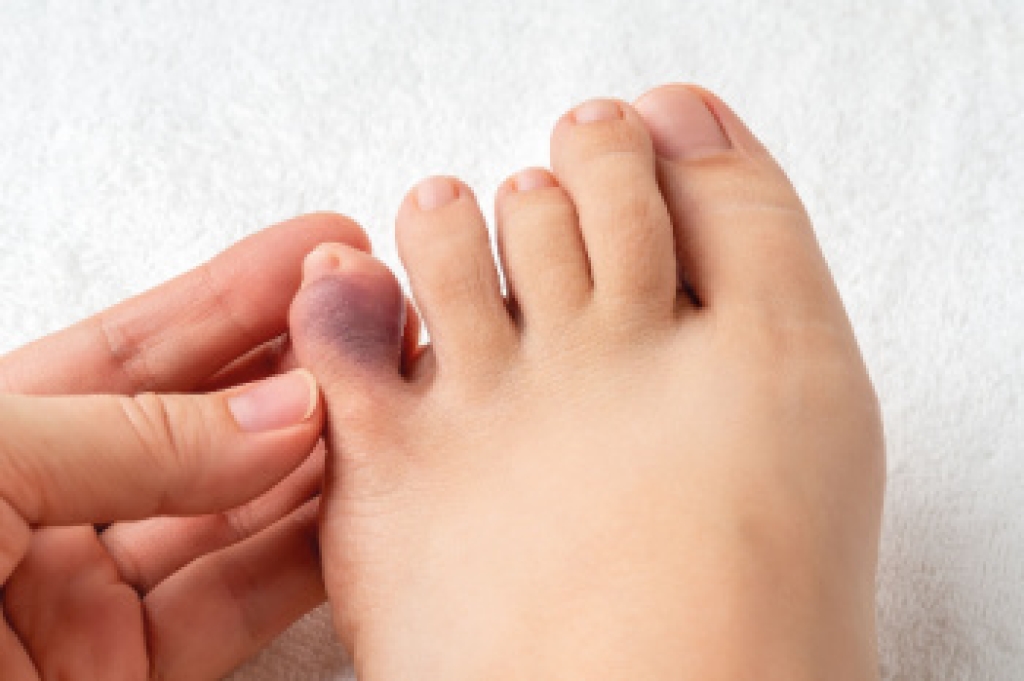
Symptoms of pinky toe pain may include swelling, bruising, redness, and difficulty wearing shoes. A sudden injury, such as stubbing the toe against a hard surface, can cause immediate pain and swelling. Fractures may result in severe discomfort, bruising, and difficulty putting pressure on the foot. Dislocations can change the position of the toe, while sprains may cause pain from stretched or damaged ligaments. These symptoms can range from mild irritation to significant discomfort depending on the underlying cause.


Risk factors for pinky toe pain include wearing narrow footwear, participating in high-impact activities, and repeated pressure on the toes. A tailor’s bunion develops when the joint near the base of the pinky toe becomes enlarged and irritated, often due to foot structure or shoe pressure. An ingrown toenail can also cause pain when the nail grows into the surrounding skin, leading to tenderness and possible inflammation. Additional causes include accidental injuries, improper footwear, and foot alignment issues.


Proper care depends on the cause of the pinky toe pain. Wearing supportive shoes with enough room for the toes can reduce pressure and improve comfort. Protecting the toe from additional stress and addressing injuries early can support healing. Paying attention to symptoms can help prevent minor issues from becoming more serious. If you have pain in your pinky toe, it is suggested that you consult a podiatrist for an accurate diagnosis and appropriate treatment.

Toe pain can disrupt your daily activities. If you have any concerns, contact one of our podiatrists of Podiatry Associates of Texas. Our doctors can provide the care you need to keep you pain-free and on your feet.

What Causes Toe Pain?

Most severe toe pain is caused due to a sports injury, trauma from dropping something heavy on the toe, or bumping into something rigid. Other problems can develop over time for various reasons.

Toe pain can be caused by one or more ailments. The most common include:

  • Trauma
  • Sports injury
  • Wearing shoes that are too tight
  • Arthritis
  • Gout
  • Corns and calluses
  • Hammertoe
  • Bunions
  • Blisters
  • Ingrown toenails
  • Sprains
  • Fractures (broken bones)
  • Dislocations

When to See a Podiatrist

  • Severe pain
  • Persistent pain that lasts more than a week
  • Signs of infection
  • Continued swelling
  • Pain that prevents walking

Diagnosis

In many cases the cause of toe pain is obvious, but in others, a podiatrist may want to use more advanced methods to determine the problem. These can range from simple visual inspections and sensation tests to X-rays and MRI scans. Prior medical history, family medical history, and any recent physical traumatic events will all be taken into consideration for a proper diagnosis.

Treatment

Treatments for toe pain and injuries vary and may include shoe inserts, padding, taping, medicines, injections, and in some cases, surgery. If you believe that you have broken a toe, please see a podiatrist as soon as possible.

If you have any questions please contact our offices located in Arlington Weatherford, Mineral Wells, and Farmers Branch, TX . We offer the newest diagnostic and treatment technologies for all your foot and ankle needs.

Read more about Toe Pain