
Do you suffer from heel pain when you get up in the morning? If so, you should seek professional help and have a proper diagnosis performed. Heel pain can be caused by several different foot-related conditions.
Do you suffer from heel pain when you get up in the morning? If so, you should seek professional help and have a proper diagnosis performed. Heel pain can be caused by several different foot-related conditions.

A diabetic foot ulcer is an open sore or wound that develops when diabetes damages nerves and reduces blood flow in the feet, making even minor injuries harder to notice and slower to heal. These wounds often appear on pressure points such as the bottom of the foot or around the toes. Without prompt treatment, complications can become serious. Infection may spread into deeper skin, soft tissue, or bone, leading to swelling, drainage, or odor. Discoloration or increasing pain may also develop, though some people feel very little because of nerve damage. Poor circulation can delay healing and raise the risk of tissue death or limb loss in severe cases. A podiatrist can clean the wound, remove damaged tissue, and reduce pressure on the area. This healthcare professional can also monitor for infection, order imaging when needed, and coordinate advanced wound care. Early intervention matters. If you notice a foot wound that is not healing properly, it is strongly suggested that you visit a podiatrist for an evaluation and appropriate treatment.
Diabetic foot care is important in preventing foot ailments such as ulcers. If you are suffering from diabetes or have any other concerns about your feet, contact one of our podiatrists from Podiatry Associates of Texas. Our doctors can provide the care you need to keep you pain-free and on your feet.
Diabetic Foot Care
Diabetes affects millions of people every year. The condition can damage blood vessels in many parts of the body, especially the feet. Because of this, taking care of your feet is essential if you have diabetes, and having a podiatrist help monitor your foot health is highly recommended.
The Importance of Caring for Your Feet
Patients with diabetes should have their doctor monitor their blood levels, as blood sugar levels play such a huge role in diabetic care. Monitoring these levels on a regular basis is highly advised.
It is always best to inform your healthcare professional of any concerns you may have regarding your feet, especially for diabetic patients. Early treatment and routine foot examinations are keys to maintaining proper health, especially because severe complications can arise if proper treatment is not applied.
If you have any questions, please feel free to contact our offices located in Arlington Weatherford, Mineral Wells, and Farmers Branch, TX . We offer the newest diagnostic and treatment technologies for all your foot care needs.

Heel spurs are bony growths that develop on the underside or back of the heel bone. They often form gradually after repeated stress is placed on the foot and may be associated with plantar fasciitis or Achilles tendon problems. Although some heel spurs do not cause symptoms, others can lead to ongoing heel pain that makes standing or walking uncomfortable. Many people describe the pain as sharp when taking their first steps or after long periods of rest. Others notice aching or tenderness that becomes worse after spending time on their feet. Because heel pain has many possible causes, a professional evaluation is important to determine whether a heel spur is responsible for the symptoms.
Repeated strain on the tissues attached to the heel can contribute to the formation of heel spurs. Risk factors include prolonged standing, excess body weight, and activities that place repeated stress on the feet. Foot structure may also play a role in how pressure is distributed across the heel. Persistent heel pain can change the way a person walks, placing additional stress on the ankles, knees, and hips. A thorough examination helps identify the source of the discomfort and determine whether other foot conditions are contributing to the problem. Early diagnosis supports more effective treatment and helps reduce the risk of long-term mobility issues.
A podiatrist specializes in diagnosing and treating heel spurs by evaluating foot structure, walking mechanics, and overall function. Treatment is tailored to each patient's condition and focuses on relieving pain, improving mobility, and reducing stress on the affected tissues. Early podiatry care may also help prevent symptoms from becoming more severe or limiting daily activities. Regular follow-up allows treatment to be adjusted as recovery progresses and foot function improves. If heel pain is interfering with your comfort or mobility, it is suggested that you consult a podiatrist for an evaluation and appropriate treatment options.
Heel spurs can be incredibly painful and sometimes may make you unable to participate in physical activities. To get medical care for your heel spurs, contact one of our podiatrists from Podiatry Associates of Texas. Our doctors will do everything possible to treat your condition.
Heels Spurs
Heel spurs are formed by calcium deposits on the back of the foot where the heel is. This can also be caused by small fragments of bone breaking off one section of the foot, attaching onto the back of the foot. Heel spurs can also be bone growth on the back of the foot and may grow in the direction of the arch of the foot.
Older individuals usually suffer from heel spurs and pain sometimes intensifies with age. One of the main condition's spurs are related to is plantar fasciitis.
Pain
The pain associated with spurs is often because of weight placed on the feet. When someone is walking, their entire weight is concentrated on the feet. Bone spurs then have the tendency to affect other bones and tissues around the foot. As the pain continues, the feet will become tender and sensitive over time.
Treatments
There are many ways to treat heel spurs. If one is suffering from heel spurs in conjunction with pain, there are several methods for healing. Medication, surgery, and herbal care are some options.
If you have any questions, please feel free to contact our offices located in Arlington Weatherford, Mineral Wells, and Farmers Branch, TX . We offer the newest diagnostic and treatment technologies for all your foot care needs.

Swollen feet and ankles are a common condition that can affect people of all ages. This condition, often referred to as edema, occurs when excess fluid builds up in the tissues of the lower extremities. It may develop gradually or appear suddenly, depending on the underlying cause. Common causes include prolonged standing or sitting, certain medications, and medical conditions such as heart, kidney, or circulatory issues. Understanding the source of swelling is important for proper care and prevention.
Symptoms of swollen feet may include visible puffiness, tight or shiny skin, and a feeling of heaviness in the lower legs. Some individuals experience discomfort, stiffness, or difficulty fitting into shoes. In more severe cases, pressing on the skin may leave a temporary indentation. Risk factors include aging, obesity and pregnancy, in addition to a sedentary lifestyle, and occupations that require long hours of standing. These factors can impair circulation and lead to fluid retention in the feet and ankles.
Medications such as blood pressure drugs, anti-inflammatory medications, and certain hormones can also contribute to swelling. Underlying medical conditions like venous insufficiency or lymphatic dysfunction may worsen symptoms. High-salt diets can increase fluid retention, placing additional strain on the body's ability to regulate fluid balance. Identifying these contributing factors allows for better management and can help reduce recurring swelling.
Managing swollen feet involves lifestyle changes such as elevating the legs, reducing salt intake, and staying active to improve circulation. Wearing supportive footwear and compression garments may also help control symptoms. Persistent or unexplained swelling should not be ignored, as it may indicate a more serious condition. If you have swollen feet or ankles that do not improve or continue to worsen, it is suggested that you consult a podiatrist for effective relief and management tips.
Swollen feet can be a sign of an underlying condition. If you have any concerns, contact one of our podiatrists of Podiatry Associates of Texas. Our doctors can provide the care you need to keep you pain-free and on your feet.
Swollen feet are a common ailment among pregnant women and people who stand or sit for extended periods. Aging may increase the possibility of swollen feet and patients who are obese often notice when their feet are swelling too. There may be medical reasons why swollen feet occur:
Swollen feet can also be caused by bone and tendon conditions, including fractures, arthritis, and tendinitis. Additionally, there may be skin and toenail conditions and an infection may cause the feet to swell. Patients who take medicine to treat high blood pressure may be prone to getting swollen feet.
Many patients elevate their feet to help relieve the swelling and this is generally a temporary remedy. When a podiatrist is consulted the reason behind the swelling can be uncovered and subsequently treated.
If you have any questions please contact our offices located in Arlington Weatherford, Mineral Wells, and Farmers Branch, TX . We offer the newest diagnostic and treatment technologies for all your foot and ankle needs.
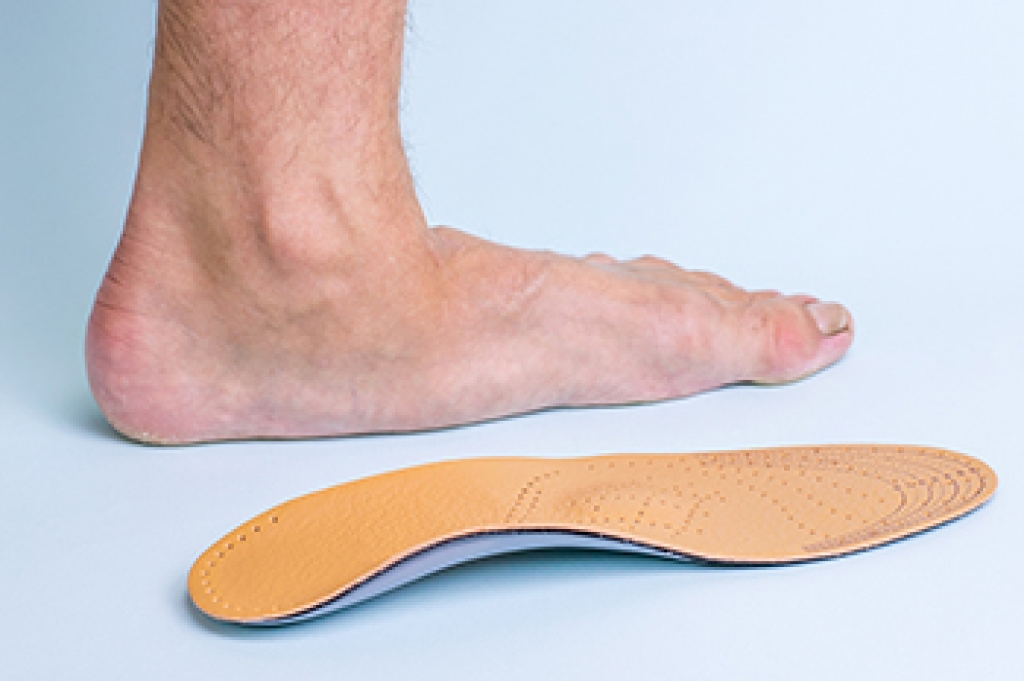
Orthotics are specially designed shoe inserts that improve the way the feet support the body while standing and walking. They help control foot movement, reduce pressure, and improve balance. Unlike simple insoles, orthotics are designed to match a person's foot shape and movement patterns. A podiatrist examines the feet, watches how you walk, and identifies areas of extra stress before recommending treatment. Orthotics can help relieve pain caused by problems like plantar fasciitis, flat feet, and arthritis. They also reduce strain on joints by improving foot alignment. Better alignment helps the feet work more efficiently and can make everyday activities more comfortable. Research also shows that properly prescribed orthotics improve function and reduce pain for many patients with foot conditions.
Orthotics come in different designs to meet different needs. Some are custom-made after a detailed assessment, while others are prefabricated and selected for specific foot problems. A podiatrist determines which option provides the best support based on your symptoms, foot structure, and activity level. Custom orthotics provide a more precise fit for complex conditions. Prefabricated devices can also provide meaningful relief for certain patients. Modern materials allow orthotics to remain lightweight, durable, and comfortable while fitting inside many styles of shoes. Proper fit is important because shoes that lack proper support or fit too tightly can reduce the benefits of orthotics.
A podiatrist also checks how orthotics perform after they are prescribed and makes adjustments when necessary to improve comfort and function. Regular follow-up visits help confirm that the devices continue supporting the feet correctly. Orthotics can reduce stress on painful areas, improve stability, and help people stay active with greater confidence. Early evaluation also helps address foot problems before they become more difficult to manage. If you have symptoms of foot pain or a condition that could benefit from orthotics, it is suggested that you schedule an appointment with a podiatrist who can determine what type of orthotics are right for you.
If you are having discomfort in your feet and would like to try orthotics, contact one of our podiatrists from Podiatry Associates of Texas. Our doctors can provide the care you need to keep you pain-free and on your feet.
What Are Orthotics?
Orthotics are inserts you can place into your shoes to help with a variety of foot problems such as flat feet or foot pain. Orthotics provide relief and comfort for minor foot and heel pain but can’t correct serious biomechanical problems in your feet.
Over-the-Counter Inserts
Orthotics come in a wide variety of over-the-counter inserts that are used to treat foot pain, heel pain, and minor problems. For example, arch supports can be inserted into your shoes to help correct overarched or flat feet, while gel insoles are often used because they provide comfort and relief from foot and heel pain by alleviating pressure.
Prescription Orthotics
If over-the-counter inserts don’t work for you or if you have a more severe foot concern, it is possible to have your podiatrist prescribe custom orthotics. These high-quality inserts are designed to treat problems such as abnormal motion, plantar fasciitis, and severe forms of heel pain. They can even be used to help patients suffering from diabetes by treating foot ulcers and painful calluses and are usually molded to your feet individually, which allows them to provide full support and comfort.
If you are experiencing minor to severe foot or heel pain, it’s recommended to speak with your podiatrist about the possibilities of using orthotics. A podiatrist can determine which type of orthotic is right for you and allow you to take the first steps towards being pain-free.
If you have any questions, please feel free to contact our offices located in Arlington Weatherford, Mineral Wells, and Farmers Branch, TX . We offer the newest diagnostic and treatment technologies for all your foot care needs.
Connect With Us
