
Custom orthotics, or shoe inserts, should be periodically replaced. Orthotics must fit properly to give you the best results. Protect your feet and ankles!
Custom orthotics, or shoe inserts, should be periodically replaced. Orthotics must fit properly to give you the best results. Protect your feet and ankles!
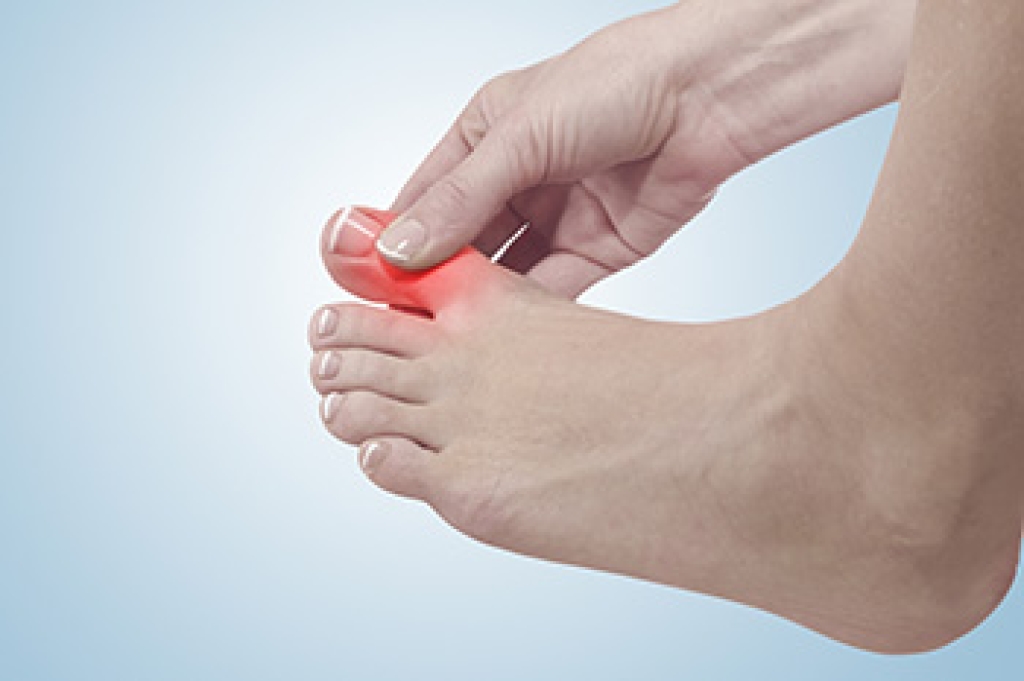
Pain in the big toe can affect mobility and daily comfort. The big toe plays an essential role in balance and push off during walking, so even mild discomfort can become disruptive. Several conditions may cause this pain including injury, bunions, and gout. Identifying the underlying cause is important for effective treatment and long-term relief.
Injuries are among the most frequent causes of big toe pain, with stubbing the toe being the most common. This can lead to bruising, swelling, and sharp pain. Osteoarthritis develops over time as cartilage wears down resulting in stiffness, aching, and reduced joint movement. Bunions cause a visible deformity where the toe shifts toward the second toe, leading to joint pain and inflamed skin. Gout is a form of inflammatory arthritis that causes sudden intense pain, redness, and swelling due to uric acid buildup in the joint.
Symptoms vary depending on the cause, but often include tenderness, swelling, and difficulty bearing weight. Injury-related pain is usually immediate, while osteoarthritis causes gradual discomfort. Bunions may lead to chronic irritation, and gout often presents with sudden severe pain that can wake individuals at night. Recognizing these patterns can help guide appropriate care and prevent worsening symptoms.
Risk factors include wearing poor footwear, repetitive stress, and underlying medical conditions such as arthritis or gout. Early evaluation can prevent progression and improve function. Supportive shoes and proper foot care can reduce strain on the big toe joint. If you have pain in your big toe, it is suggested that you consult a podiatrist for an accurate diagnosis and appropriate treatment.
Toe pain can disrupt your daily activities. If you have any concerns, contact one of our podiatrists of Podiatry Associates of Texas. Our doctors can provide the care you need to keep you pain-free and on your feet.
What Causes Toe Pain?
Most severe toe pain is caused due to a sports injury, trauma from dropping something heavy on the toe, or bumping into something rigid. Other problems can develop over time for various reasons.
Toe pain can be caused by one or more ailments. The most common include:
When to See a Podiatrist
Diagnosis
In many cases the cause of toe pain is obvious, but in others, a podiatrist may want to use more advanced methods to determine the problem. These can range from simple visual inspections and sensation tests to X-rays and MRI scans. Prior medical history, family medical history, and any recent physical traumatic events will all be taken into consideration for a proper diagnosis.
Treatment
Treatments for toe pain and injuries vary and may include shoe inserts, padding, taping, medicines, injections, and in some cases, surgery. If you believe that you have broken a toe, please see a podiatrist as soon as possible.
If you have any questions please contact our offices located in Arlington Weatherford, Mineral Wells, and Farmers Branch, TX . We offer the newest diagnostic and treatment technologies for all your foot and ankle needs.

Cracked heels develop when the skin around the heel becomes dry, thick, and unable to stretch normally. As pressure builds while standing and walking, the skin can split and form painful cracks. These cracks can be shallow or deep enough to bleed and make daily activities uncomfortable. Dry skin, standing for long periods, and excess pressure on the heels all increase the risk of cracked heels. Wearing shoes that lack proper support or shoes with open backs can also place added stress on the heel. Symptoms include rough skin, thick calluses, and visible cracks around the edge of the heel. Some patients also notice redness or tenderness. When the cracks become deep, the risk of infection increases because bacteria can enter through the broken skin.
A podiatrist performs a detailed examination to determine the cause and severity of the cracked heels. The evaluation includes checking the skin, foot structure, and the way the patient stands and walks. The podiatrist also looks for medical conditions that can contribute to dry, damaged skin, like diabetes or poor circulation. In some cases, additional testing helps identify an underlying condition that requires treatment. A complete evaluation allows the podiatrist to create a treatment plan that addresses both the cracks and the factors that caused them. Early treatment helps reduce pain and lowers the chance of infection or deeper skin damage.
Treatment focuses on improving skin health while reducing pressure on the heels. A podiatrist can safely remove thickened skin that increases stress around the cracks. Care also includes custom orthotics that improve foot alignment and distribute pressure more evenly across the foot. The podiatrist can recommend shoes that provide proper support and reduce stress on the heels while walking. Patients with severe cracks, signs of infection, or medical conditions that affect healing receive additional treatment to protect the skin and restore foot health. If you have symptoms of cracked heels, it is suggested that you schedule an appointment with a podiatrist for diagnosis and treatment.
If the skin on your feet starts to crack, you may want to see a podiatrist to find treatment. If you have any concerns, contact one of our podiatrists from Podiatry Associates of Texas. Our doctors can provide the care you need to keep you pain-free and on your feet.
Cracked Heels
It is important to moisturize your cracked heels in order to prevent pain, bleeding, and infection. The reason cracked heels form is because the skin on the foot is too dry to support the immense pressure placed on them. When the foot expands, the dry skin on the foot begins to split.
Ways to Help Heal Them
Ways to Prevent Cracked Heels
If you are unsure how to proceed in treating cracked heels, seek guidance from a podiatrist. Your doctor will help you with any questions or information you may need.
If you have any questions, please feel free to contact our offices located in Arlington Weatherford, Mineral Wells, and Farmers Branch, TX . We offer the newest diagnostic and treatment technologies for all your foot care needs.
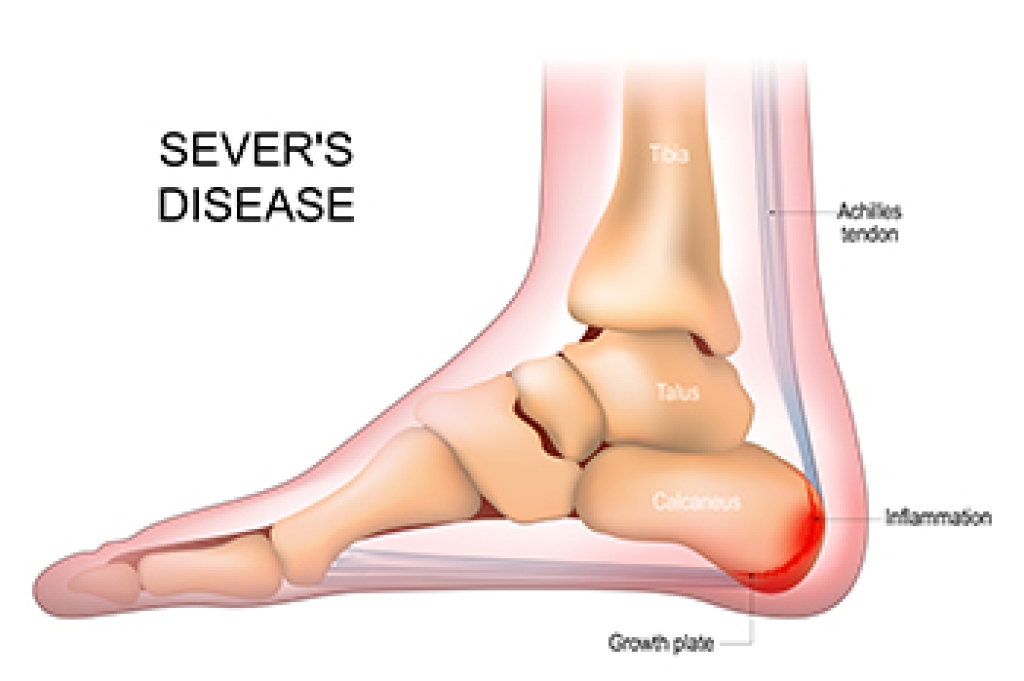
Sever’s disease, also known as calcaneal apophysitis, is a common cause of heel pain in growing children and adolescents. It occurs when the growth plate in the heel becomes inflamed due to repetitive stress and tension from the Achilles tendon. This condition is most often seen in physically active children who participate in running or jumping sports. During growth spurts, bones can grow faster than muscles and tendons, which increases strain on the heel. This imbalance leads to irritation and discomfort that can affect mobility and performance in daily and athletic activities.
Symptoms of Sever’s disease include heel pain that worsens with activity and improves with rest. Children may complain of soreness at the back or bottom of the heel, especially after sports. Tenderness, mild swelling, and stiffness are also common. Some children may walk on their toes or limp to avoid placing pressure on the heel. Recognizing these symptoms early is important to prevent worsening pain and to support proper healing during active growth phases.
Risk factors include participation in high-impact sports, rapid growth periods, and tight calf muscles that increase tension on the heel. Improper footwear that lacks cushioning or support can further contribute to stress on the growth plate. Flat feet or high-arched foot structure may also affect how weight is distributed, increasing strain on the heel. These combined factors make active children more vulnerable to this condition, especially during periods of increased activity or training intensity.
Relief from Sever’s disease focuses on reducing stress on the heel and allowing the growth plate to recover. Rest, activity modification, and stretching of the calf muscles are essential components of care. Supportive footwear and heel cushions can help absorb shock and reduce discomfort. Early treatment helps prevent prolonged pain and supports a safe return to activity. If your child has heel pain, it is suggested that you consult a podiatrist who can accurately diagnose Sever’s disease and provide effective relief tips.
Sever's disease often occurs in children and teens. If your child is experiencing foot or ankle pain, see one of our podiatrists from Podiatry Associates of Texas. Our doctors can treat your child’s foot and ankle needs.
Sever’s Disease
Sever’s disease is also known as calcaneal apophysitis, which is a medical condition that causes heel pain I none or both feet. The disease is known to affect children between the ages of 8 and 14.
Sever’s disease occurs when part of the child’s heel known as the growth plate (calcaneal epiphysis) is attached to the Achilles tendon. This area can suffer injury when the muscles and tendons of the growing foot do not keep pace with bone growth. Therefore, the constant pain which one experiences at the back of the heel will make the child unable to put any weight on the heel. The child is then forced to walk on their toes.
Symptoms
Acute pain – Pain associated with Sever’s disease is usually felt in the heel when the child engages in physical activity such as walking, jumping and or running.
Highly active – Children who are very active are among the most susceptible in experiencing Sever’s disease, because of the stress and tension placed on their feet.
If you have any questions, please feel free to contact our offices located in Arlington Weatherford, Mineral Wells, and Farmers Branch, TX . We offer the newest diagnostic and treatment technologies for all your foot care needs.
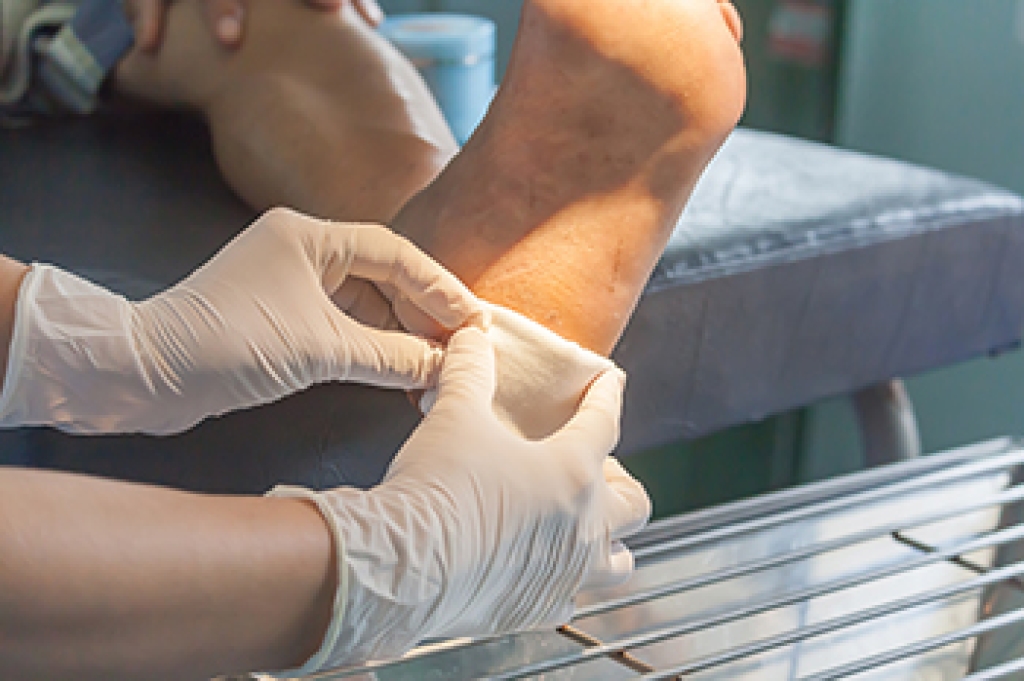
Wound odor can become a frustrating and emotional problem for many patients dealing with chronic or slow-healing foot injuries. Some people become reluctant to participate in activities or spend time with others because they are concerned about the odor. It can also create challenges for family members and medical staff involved in ongoing wound management. Although odor is common in some chronic wounds, it should never be ignored because it may point to changes within the injured tissue that need medical attention. Understanding the cause of wound odor is an important step toward improving both comfort and healing.
In many cases, wound odor develops when bacteria and other microorganisms grow within damaged tissue. As these organisms break down proteins and other material inside the wound, gases may be released that create an unpleasant smell. Heavy drainage, dead tissue, poor circulation, and excess moisture may also contribute to worsening odor. Wounds that remain open for long periods are often more vulnerable to these problems. Patients with diabetes, vascular disease, or reduced mobility may face a higher risk of chronic foot wounds and odor-related complications. Odor becomes more noticeable when wound drainage accumulates beneath a bandage or dressing.
Modern wound care treatments are designed to improve the wound environment while lowering harmful bacterial levels. Proper cleansing, removal of damaged tissue, and advanced dressings can help reduce odor while supporting healthier healing conditions. Some dressings are specially designed to absorb drainage and control bacteria that contribute to unpleasant smells. An odor that becomes stronger or develops suddenly may be a warning sign of infection or tissue breakdown. Redness, swelling, and pain should also be evaluated promptly. Warmth or increased drainage are also warning signs. If you are experiencing persistent foot wound odor or slow-healing foot wounds, it is suggested that you see a podiatrist for a proper diagnosis and appropriate treatment.
Wound care is an important part in dealing with diabetes. If you have diabetes and a foot wound or would like more information about wound care for diabetics, consult with one of our podiatrists from Podiatry Associates of Texas. Our doctors will assess your condition and provide you with quality foot and ankle treatment.
What Is Wound Care?
Wound care is the practice of taking proper care of a wound. This can range from the smallest to the largest of wounds. While everyone can benefit from proper wound care, it is much more important for diabetics. Diabetics often suffer from poor blood circulation which causes wounds to heal much slower than they would in a non-diabetic.
What Is the Importance of Wound Care?
While it may not seem apparent with small ulcers on the foot, for diabetics, any size ulcer can become infected. Diabetics often also suffer from neuropathy, or nerve loss. This means they might not even feel when they have an ulcer on their foot. If the wound becomes severely infected, amputation may be necessary. Therefore, it is of the upmost importance to properly care for any and all foot wounds.
How to Care for Wounds
The best way to care for foot wounds is to prevent them. For diabetics, this means daily inspections of the feet for any signs of abnormalities or ulcers. It is also recommended to see a podiatrist several times a year for a foot inspection. If you do have an ulcer, run the wound under water to clear dirt from the wound; then apply antibiotic ointment to the wound and cover with a bandage. Bandages should be changed daily and keeping pressure off the wound is smart. It is advised to see a podiatrist, who can keep an eye on it.
If you have any questions please contact our offices located in Arlington Weatherford, Mineral Wells, and Farmers Branch, TX . We offer the newest diagnostic and treatment technologies for all your foot and ankle needs.
Connect With Us
