
Have you noticed a bony protrusion on the side of your big toe? If so, you may have developed the foot condition known as a bunion. Don't let bunions interfere with your daily activities.
Have you noticed a bony protrusion on the side of your big toe? If so, you may have developed the foot condition known as a bunion. Don't let bunions interfere with your daily activities.
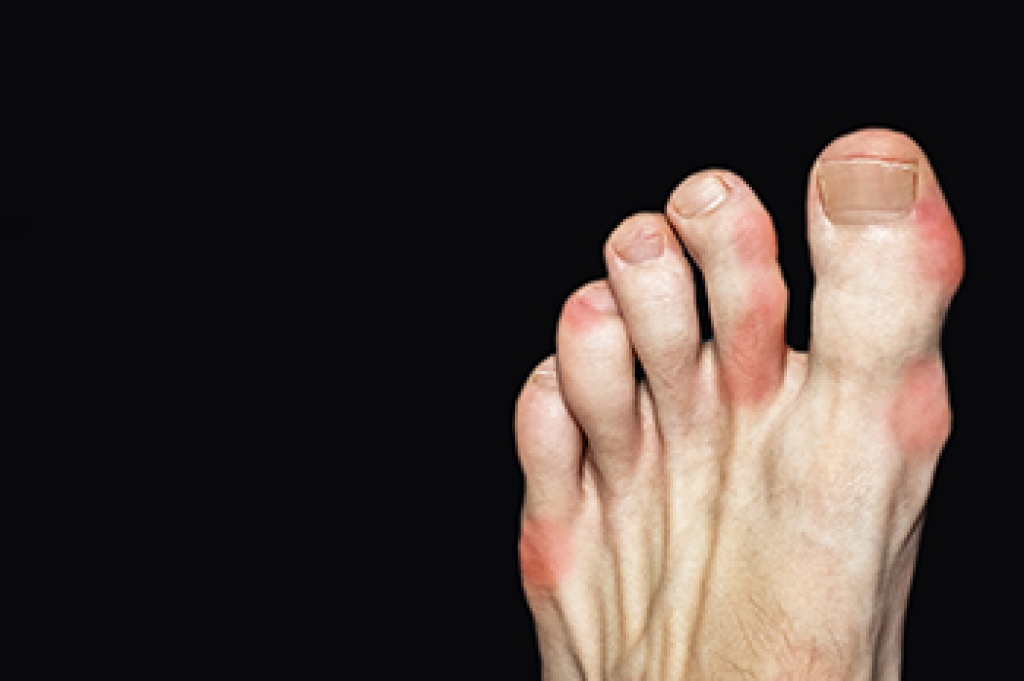
Gout, a type of arthritis, causes sudden, intense joint pain, often affecting the big toe initially. The affected joint becomes swollen, red, and tender to the touch during gout attacks. This condition arises from an accumulation of uric acid crystals in the joints, stemming from an overproduction or inefficient excretion of uric acid in the body. Dietary factors such as high-purine foods like red meat, seafood, and alcohol consumption can worsen gout attacks. Diagnosis typically involves a thorough medical history review, physical examination, and possibly joint fluid analysis to detect uric acid crystals. Blood tests measuring uric acid levels also aid in diagnosis. If you have had one or several gout attacks, it is suggested that you are under the care of a podiatrist who can offer you relief options and help you to manage this condition.
Gout is a painful condition that can be treated. If you are seeking treatment, contact one of our podiatrists from Podiatry Associates of Texas. Our doctors will treat your foot and ankle needs.
What Is Gout?
Gout is a form of arthritis that is characterized by sudden, severe attacks of pain, redness, and tenderness in the joints. The condition usually affects the joint at the base of the big toe. A gout attack can occur at any random time, such as the middle of the night while you are asleep.
Symptoms
Risk Factors
Prior to visiting your podiatrist to receive treatment for gout, there are a few things you should do beforehand. If you have gout you should write down your symptoms--including when they started and how often you experience them, important medical information you may have, and any questions you may have. Writing down these three things will help your podiatrist in assessing your specific situation so that he or she may provide the best route of treatment for you.
If you have any questions, please feel free to contact our offices located in Arlington Weatherford, Mineral Wells, and Farmers Branch, TX . We offer the newest diagnostic and treatment technologies for all your foot care needs.
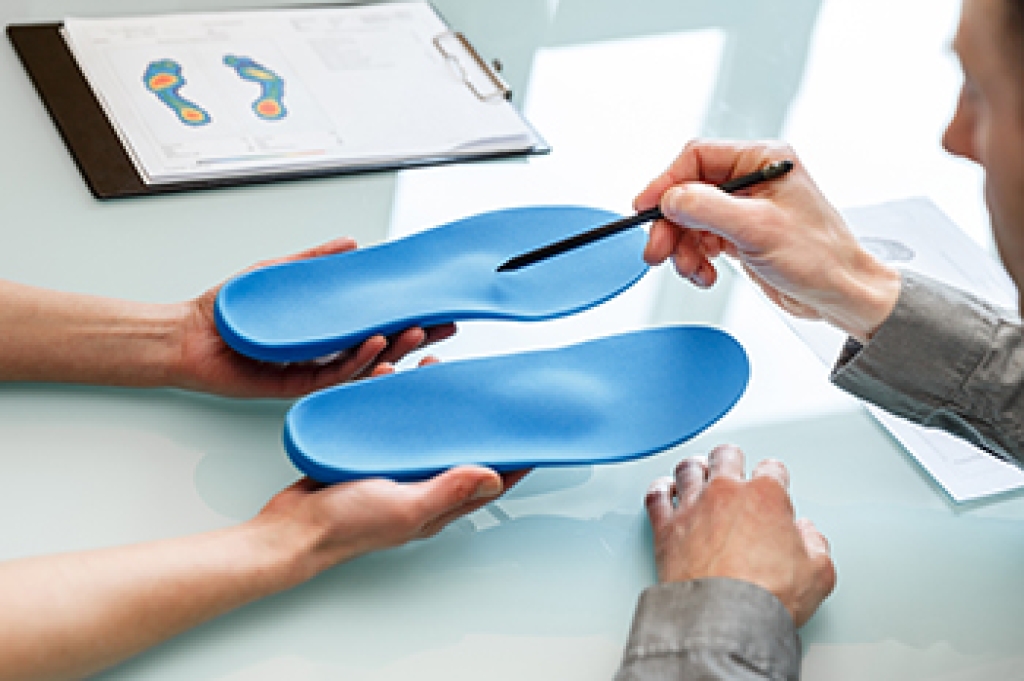 Charcot-Marie-Tooth, or CMT, disease is a hereditary condition that affects the ability of the peripheral nerves to communicate with the muscles, joints, and skin. A progressive condition, Charcot-Marie-Tooth disease affects the lower extremities first, leading to muscle weakness and atrophy, particularly in the legs and feet. Symptoms such as balance difficulties, high foot arches, twisted ankles, and foot slapping can make walking and finding appropriate footwear challenging. With no cure available, managing CMT involves stretching and exercise techniques to preserve muscle strength and flexibility, while orthotic devices and braces can provide much-needed support for improved mobility. In severe cases, surgery might be necessary to correct bone deformities. Consulting a podiatrist can be particularly beneficial in managing CMT-related foot issues, offering personalized treatments and recommendations to enhance quality of life. If you are suffering from a rare foot condition, such as CMT, it is suggested that you schedule an appointment with a podiatrist for guidance in managing its symptoms.
Some foot conditions may require additional professional care. If you have any concerns, contact one of our podiatrists of Podiatry Associates of Texas. Our doctors can provide the care you need to keep you pain-free and on your feet.
Rare Foot Conditions
The majority of foot conditions are common and can be treated by a podiatrist. Standard diagnostic procedures are generally used to identify specific conditions and treatment can be rendered. A podiatrist also treats rare foot conditions which can be difficult to diagnose and may need extra attention and care.
There are many rare foot conditions that can affect children. Some of these can include:
Freiberg’s disease - This can be seen as a deterioration and flattening of a metatarsal bone that exists in the ball of the foot. It typically affects pre-teen and teenage girls, but can affect anyone at any age. Symptoms that can accompany this can be swelling, stiffness, and the patient may limp.
Kohler’s disease - This often targets the bone in the arch of the foot and affects younger boys. It can lead to an interruption of the blood supply which ultimately can lead to bone deterioration. The patient may limp or experience tenderness, swelling, and redness.
Maffucci syndrome - This affects the long bones in a child’s foot leading to the development of abnormal bone lesions. They are benign growths and typically develop in early childhood and the bones may be susceptible to breaking.
A podiatrist can properly diagnose and treat all types of rare foot conditions. If your child is affected by any of these symptoms or conditions, please don’t hesitate to call our office so the correct treatment method can begin.
If you have any questions, please feel free to contact our offices located in Arlington Weatherford, Mineral Wells, and Farmers Branch, TX . We offer the newest diagnostic and treatment technologies for all your foot care needs.
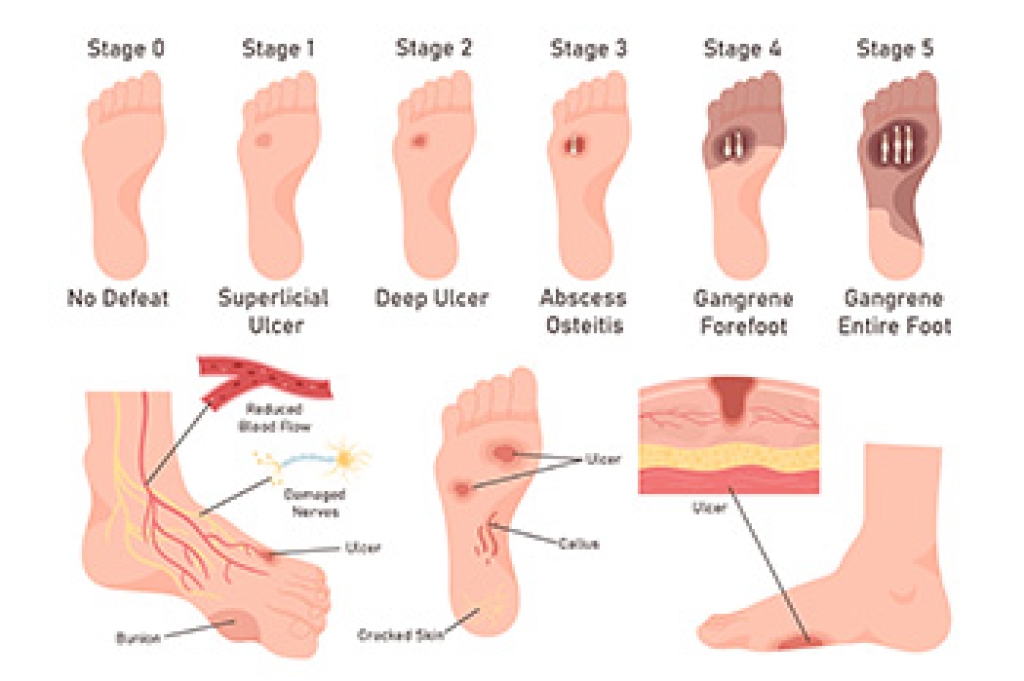
Debridement is a key procedure in managing diabetic foot ulcers, involving a podiatrist removing dead and infected tissue to promote healing and prevent infection spread. This process is vital because the buildup of necrotic tissue can obscure the true extent of the ulcer. There are several methods of debridement. Surgical debridement involves a podiatrist using tools like scalpels to precisely remove dead tissue, often performed at the bedside or in an operating room for more severe cases. Mechanical debridement employs saline-soaked pads that adhere to and remove dead tissue upon removal, though this can be painful and may also disturb healthy tissue. Chemical debridement uses enzymes to dissolve dead material. Biological debridement, utilizing maggots, effectively cleanses wounds by consuming only dead tissue. Before any debridement, the podiatrist will assess the patient’s overall health, and the wound will be cleaned with a saline solution. If you have diabetic foot ulcers, it is suggested that you make a podiatrist a part of your medical team for expert wound care options.
Wound care is an important part in dealing with diabetes. If you have diabetes and a foot wound or would like more information about wound care for diabetics, consult with one of our podiatrists from Podiatry Associates of Texas. Our doctors will assess your condition and provide you with quality foot and ankle treatment.
What Is Wound Care?
Wound care is the practice of taking proper care of a wound. This can range from the smallest to the largest of wounds. While everyone can benefit from proper wound care, it is much more important for diabetics. Diabetics often suffer from poor blood circulation which causes wounds to heal much slower than they would in a non-diabetic.
What Is the Importance of Wound Care?
While it may not seem apparent with small ulcers on the foot, for diabetics, any size ulcer can become infected. Diabetics often also suffer from neuropathy, or nerve loss. This means they might not even feel when they have an ulcer on their foot. If the wound becomes severely infected, amputation may be necessary. Therefore, it is of the upmost importance to properly care for any and all foot wounds.
How to Care for Wounds
The best way to care for foot wounds is to prevent them. For diabetics, this means daily inspections of the feet for any signs of abnormalities or ulcers. It is also recommended to see a podiatrist several times a year for a foot inspection. If you do have an ulcer, run the wound under water to clear dirt from the wound; then apply antibiotic ointment to the wound and cover with a bandage. Bandages should be changed daily and keeping pressure off the wound is smart. It is advised to see a podiatrist, who can keep an eye on it.
If you have any questions please contact our offices located in Arlington Weatherford, Mineral Wells, and Farmers Branch, TX . We offer the newest diagnostic and treatment technologies for all your foot and ankle needs.
 Pointe dancers rely heavily on the strength and flexibility of their feet to achieve graceful and precise movements. One essential stretch is the towel scrunch, where a dancer sits with their legs extended and uses their toes to gather a towel placed on the floor. This exercise targets the intrinsic muscles of the feet, enhancing both strength and control. Another beneficial stretch involves using a resistance band to provide gentle tension while pointing and flexing the feet, helping to improve arch and ankle stability. Additionally, calf stretches, such as the classic downward dog yoga pose, are essential for maintaining flexibility in the Achilles tendon and overall foot health. Foot injuries can occur from improperly warming up before dancing. If this has happened to you, it is suggested that you consult a podiatrist who can treat foot pain and guide you on additional effective foot stretches.
Stretching the feet is a great way to prevent injuries. If you have any concerns with your feet consult with one of our podiatrists from Podiatry Associates of Texas. Our doctors will assess your condition and provide you with quality foot and ankle treatment.
Stretching the Feet
Stretching the muscles in the foot is an important part in any physical activity. Feet that are tight can lead to less flexibility and make you more prone to injury. One of the most common forms of foot pain, plantar fasciitis, can be stretched out to help ease the pain. Stretching can not only ease pain from plantar fasciitis but also prevent it as well. However, it is important to see a podiatrist first if stretching is right for you. Podiatrists can also recommend other ways to stretch your feet. Once you know whether stretching is right for you, here are some excellent stretches you can do.
It is best to go easy when first stretching your foot and work your way up. If your foot starts hurting, stop exercising and ice and rest the foot. It is advised to then see a podiatrist for help.
If you have any questions please contact our offices located in Arlington Weatherford, Mineral Wells, and Farmers Branch, TX . We offer the newest diagnostic and treatment technologies for all your foot and ankle needs.
Connect With Us
