
Plantar warts are small growths that develop on parts of the feet that bear weight. They're typically found on the bottom of the foot. Don't live with plantar warts, and call us today!
Plantar warts are small growths that develop on parts of the feet that bear weight. They're typically found on the bottom of the foot. Don't live with plantar warts, and call us today!
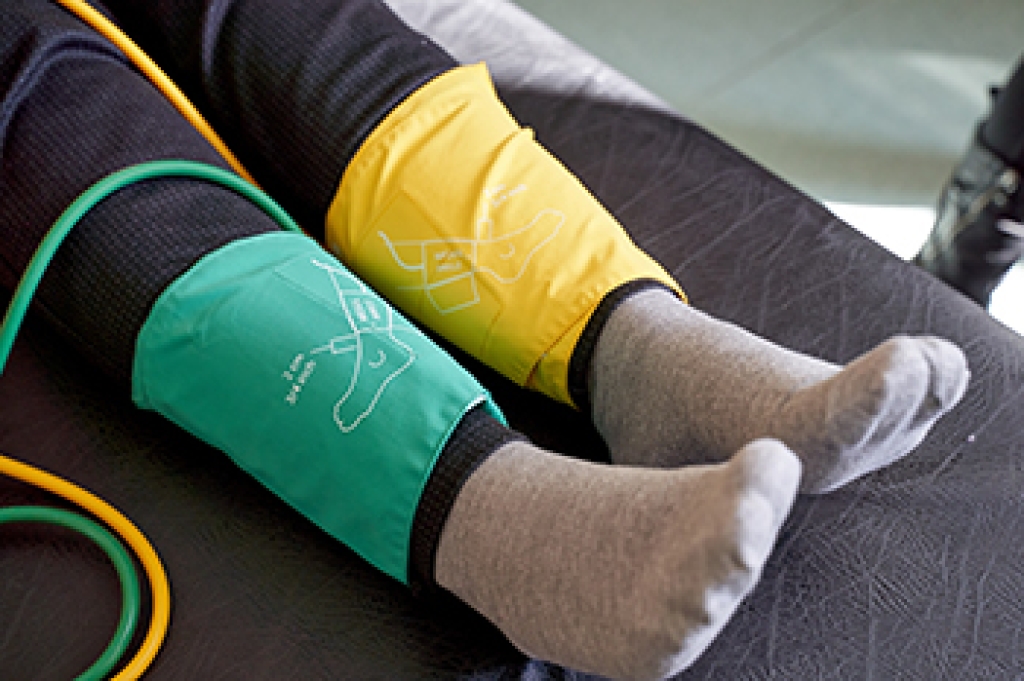
Peripheral artery disease, often called PAD, occurs when arteries become narrowed and reduce blood flow to the legs and feet. This limits oxygen delivery to tissues, which can lead to pain, especially during walking, known as claudication. Some people may also notice cold feet, skin color changes, or slower nail and hair growth. In more advanced cases, wounds on the feet may heal very slowly or not at all, increasing the risk of infection. Because the feet are far from the heart, they are especially vulnerable to poor circulation. Early detection is important to help prevent serious complications. A podiatrist can check circulation, monitor skin health, and help manage foot-related risks of PAD through routine care and guidance. They also work with other providers as needed. If you have leg pain with walking or slow-healing foot wounds, it is suggested that you seek care from a podiatrist.
Peripheral artery disease can pose a serious risk to your health. It can increase the risk of stroke and heart attack. If you have symptoms of peripheral artery disease, consult with one of our podiatrists from Podiatry Associates of Texas. Our doctors will assess your condition and provide you with quality foot and ankle treatment.
Peripheral artery disease (PAD) is when arteries are constricted due to plaque (fatty deposits) build-up. This results in less blood flow to the legs and other extremities. The main cause of PAD is atherosclerosis, in which plaque builds up in the arteries.
Symptoms
Symptoms of PAD include:
It is important to note that a majority of individuals never show any symptoms of PAD.
Diagnosis
While PAD occurs in the legs and arteries, Podiatrists can diagnose PAD. Podiatrists utilize a test called an ankle-brachial index (ABI). An ABI test compares blood pressure in your arm to you ankle to see if any abnormality occurs. Ultrasound and imaging devices may also be used.
Treatment
Fortunately, lifestyle changes such as maintaining a healthy diet, exercising, managing cholesterol and blood sugar levels, and quitting smoking, can all treat PAD. Medications that prevent clots from occurring can be prescribed. Finally, in some cases, surgery may be recommended.
If you have any questions, please feel free to contact our offices located in Arlington Weatherford, Mineral Wells, and Farmers Branch, TX . We offer the newest diagnostic and treatment technologies for all your foot care needs.

Foot cramps are sudden, painful muscle spasms that can affect the arch, toes, or entire foot. They occur when a muscle contracts forcefully and does not relax properly, leading to a tight, sometimes painful, knotted feeling. Several factors can trigger foot cramps. Muscle fatigue from overuse or prolonged standing places stress on the foot. Poor circulation reduces oxygen delivery to muscles, increasing cramp risk. Nerve damage, meaning disrupted signals between the brain and muscles, may also cause spasms. Imbalances in minerals like potassium, calcium, and magnesium interfere with normal muscle function. Certain medical conditions and medication can further increase risk. A podiatrist can evaluate foot structure, nerve function, and circulation, order imaging, and provide custom orthotics or other medical treatment to reduce cramping episodes. Early care can prevent worsening symptoms and complications. If you regularly experience foot cramps, it is suggested that you schedule an appointment with a podiatrist for an evaluation and appropriate treatment.
Foot Pain
Foot pain can be extremely painful and debilitating. If you have a foot pain, consult with one of our podiatrists from Podiatry Associates of Texas. Our doctors will assess your condition and provide you with quality foot and ankle treatment.
Causes
Foot pain is a very broad condition that could be caused by one or more ailments. The most common include:
Diagnosis
To figure out the cause of foot pain, podiatrists utilize several different methods. This can range from simple visual inspections and sensation tests to X-rays and MRI scans. Prior medical history, family medical history, and any recent physical traumatic events will all be taken into consideration for a proper diagnosis.
Treatment
Treatment depends upon the cause of the foot pain. Whether it is resting, staying off the foot, or having surgery; podiatrists have a number of treatment options available for foot pain.
If you have any questions, please feel free to contact our offices located in Arlington Weatherford, Mineral Wells, and Farmers Branch, TX . We offer the newest diagnostic and treatment technologies for all your foot care needs.
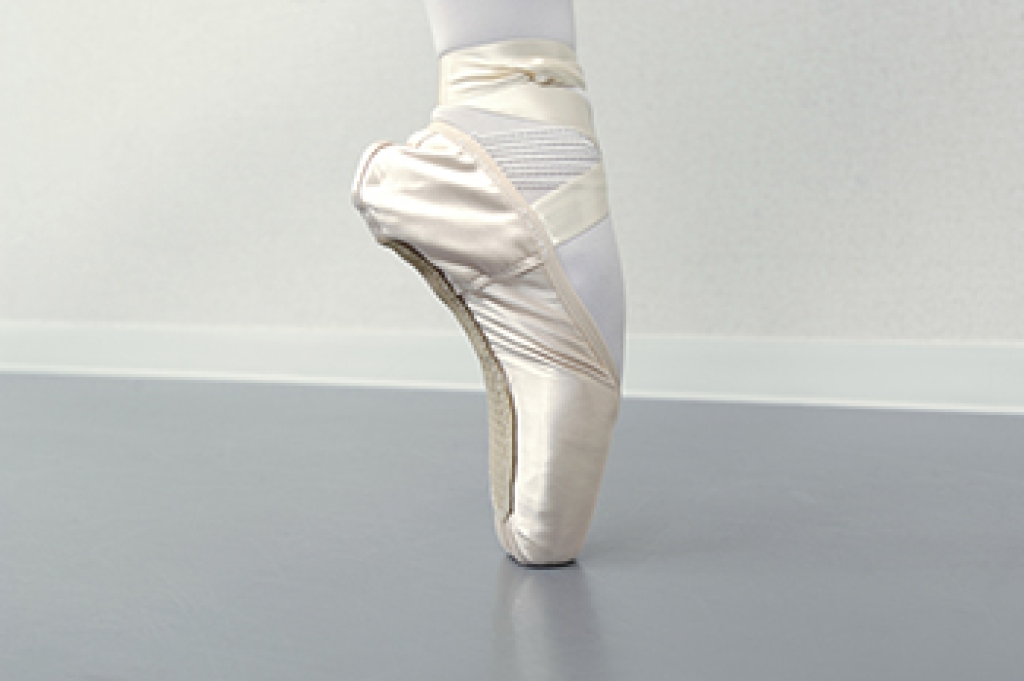
Improving toe point in ballet requires consistent, well-structured foot stretching to build strength and flexibility. Dancers should focus on isolating each part of the foot while pointing the toes, moving from the ankle through the arch to the toes for better control. The piano stretch involves pressing each toe downward one at a time, which strengthens small muscles and improves coordination. Additionally, wrapping a hair elastic around the toes creates a gentle resistance stretch, helping develop strength and stability in a more performance-focused position. These exercises enhance range of motion, support graceful lines, and reduce injury risk. If you have foot or ankle pain from performing ballet, it is suggested that you consult a podiatrist who can provide an accurate diagnosis, offer effective relief solutions, and guide you on additional stretching techniques.
Stretching the feet is a great way to prevent injuries. If you have any concerns with your feet consult with one of our podiatrists from Podiatry Associates of Texas. Our doctors will assess your condition and provide you with quality foot and ankle treatment.
Stretching the Feet
Being the backbone of the body, the feet carry your entire weight and can easily become overexerted, causing cramps and pain. As with any body part, stretching your feet can serve many benefits. From increasing flexibility to even providing some pain relief, be sure to give your feet a stretch from time to time. This is especially important for athletes or anyone performing aerobic exercises, but anyone experiencing foot pain or is on their feet constantly should also engage in this practice.
Great ways to stretch your feet:
Individuals who tend to their feet by regular stretching every day should be able to minimize foot pain and prevent new problems from arising.
If you have any questions please contact our offices located in Arlington Weatherford, Mineral Wells, and Farmers Branch, TX . We offer the newest diagnostic and treatment technologies for all your foot and ankle needs.
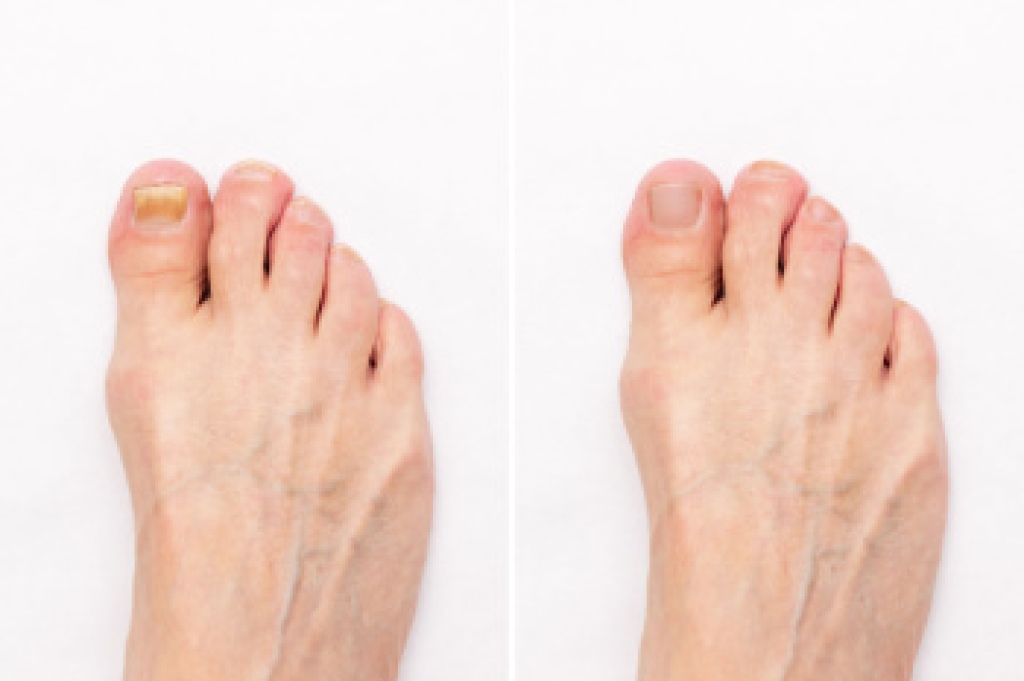
Toenail disorders are common among elderly people as natural aging-related changes affect nail growth and overall foot health. Nails often grow more slowly and may become thicker, brittle, or discolored, over time. Some individuals may develop nail hypertrophy, a condition in which the nail plate becomes abnormally thick and difficult to trim. Causes include reduced circulation, long-term pressure from footwear, fungal infections, and drug-related interactions that influence nail growth patterns. Symptoms may include thickened nails, discomfort while walking, and difficulty maintaining proper nail care. Risk factors include limited mobility, chronic health conditions, and decreased vision that makes self-care challenging. A podiatrist can safely trim and treat abnormal nails. If toenail changes or discomfort develop, it is suggested that you seek podiatric care to maintain healthy feet and mobility.
If you need your feet checked, contact one of our podiatrists of Podiatry Associates of Texas. Our doctors will attend to all of your foot and ankle needs and provide you with quality treatment.
Geriatrics and Podiatry
When people age, some common issues that may occur are bone density loss, dry skin, poor circulation, and rough brittle nails. These issues may also affect your foot health if the necessary steps are not taken to alleviate the problems.
It is important to take care of your feet because feet that are injured or diseased can affect your overall health. Having painful feet hinders your ability to do daily activities or may decrease your willingness to do the things that you need to do.
Visiting Your Geriatrician
As we age, health problems become more likely, so it is essential to visit your doctor for check-ups to ensure that you are doing the best you can to take care of your health. It is recommended to check your feet frequently for any possible cuts, bruises, swelling, corns or any other irregularities.
Taking Care of Elderly Feet
Cracked or dry feet can be treated by applying moisturizer often. It is also important not to wear old socks because the older the sock is, the higher the possibility there will be that there is bacteria there. Wear fresh socks and make sure they fit properly.
Proper foot health means that you can have a more active lifestyle and you will not be bogged down by pain. Foot health also leads to good circulation, which is paramount for overall health.
If you have any questions, please feel free to contact our offices located in Arlington Weatherford, Mineral Wells, and Farmers Branch, TX . We offer the newest diagnostic and treatment technologies for all your foot care needs.
Connect With Us
