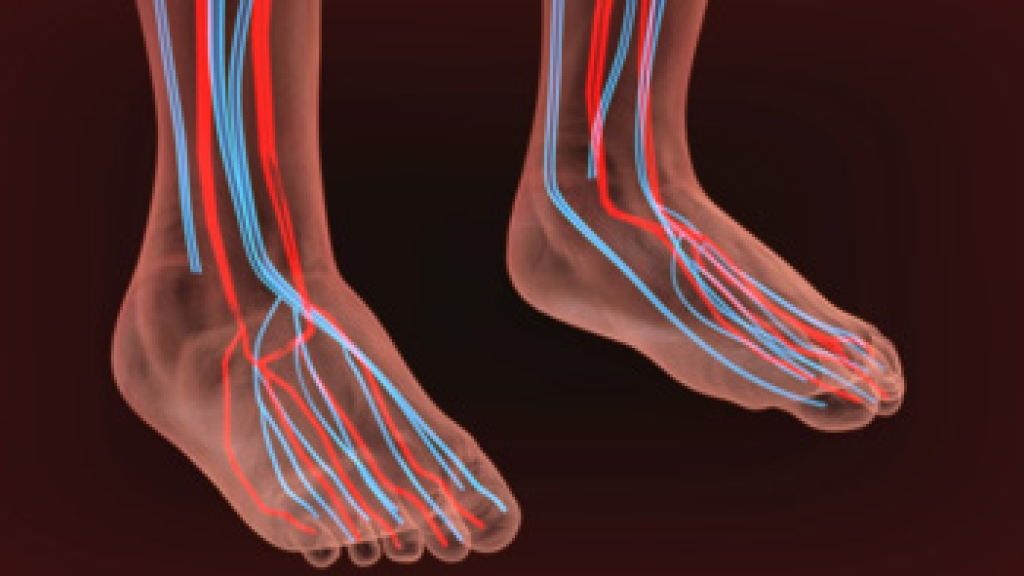
Understanding Poor Circulation in the Feet

Poor circulation in the feet occurs when blood flow to the lower extremities is reduced, making it harder for oxygen and nutrients to reach the tissues. People may notice coldness, numbness, tingling, cramping, or skin that appears pale or discolored. Common causes include diabetes, peripheral artery disease, smoking, high blood pressure, and prolonged sitting or standing. Aging can also affect circulation, especially when combined with reduced activity levels or underlying medical conditions. Improving circulation often involves consistent movement throughout the day. Walking, ankle rotations, and gentle stretching help activate the muscles that support blood flow. Elevating the feet when resting, maintaining healthy hydration, and wearing shoes that do not restrict the forefoot or ankle can also be beneficial. Addressing chronic conditions and avoiding tobacco play an important role in long-term improvement. If foot circulation problems persist, it is suggested that you see a podiatrist for a proper diagnosis and appropriate treatment.

While poor circulation itself isn’t a condition; it is a symptom of another underlying health condition you may have. If you have any concerns with poor circulation in your feet contact one of our podiatrists of Podiatry Associates of Texas. Our doctors will treat your foot and ankle needs.

Poor Circulation in the Feet

Peripheral artery disease (PAD) can potentially lead to poor circulation in the lower extremities. PAD is a condition that causes the blood vessels and arteries to narrow. In a linked condition called atherosclerosis, the arteries stiffen up due to a buildup of plaque in the arteries and blood vessels. These two conditions can cause a decrease in the amount of blood that flows to your extremities, therefore resulting in pain.

Symptoms

Some of the most common symptoms of poor circulation are:

  • Numbness
  • Tingling
  • Throbbing or stinging pain in limbs
  • Pain
  • Muscle Cramps

Treatment for poor circulation often depends on the underlying condition that causes it. Methods for treatment may include insulin for diabetes, special exercise programs, surgery for varicose veins, or compression socks for swollen legs.

As always, see a podiatrist as he or she will assist in finding a regimen that suits you. A podiatrist can also prescribe you any needed medication. 

If you have any questions, please feel free to contact our offices located in Arlington Weatherford, Mineral Wells, and Farmers Branch, TX . We offer the newest diagnostic and treatment technologies for all your foot care needs.

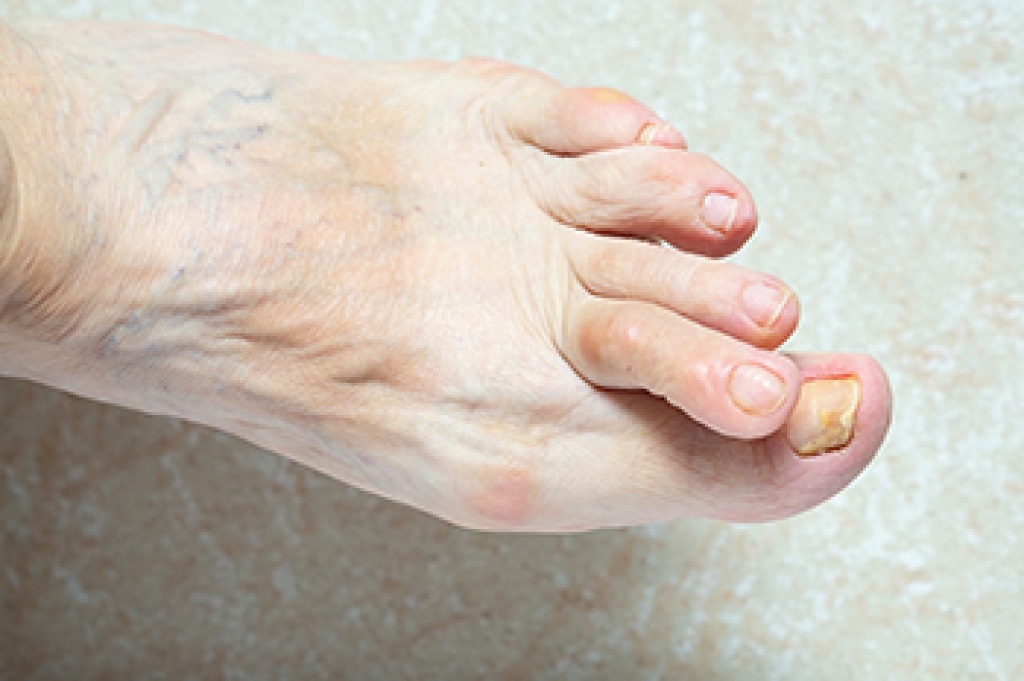
Read more about Causes Symptoms and Treatment for Poor Circulation in the Feet

Gout Pain Can Be Managed

Gout is a painful, inflammatory form of arthritis. Those affected will typically feel an intense stiffness in the joints of their feet, particularly in the big toe. Schedule a visit to learn about how gout can be managed and treated.

Types of Foot Deformities

Foot deformities are structural changes that affect the shape or function of the feet and ankles. Some are present at birth, while others develop during childhood or adulthood. Congenital deformities can cause the forefoot to curve inward, the heel or ankle to sit abnormally, or the foot to point upward or downward, which may interfere with early walking patterns. In children and adults, deformities like flat feet, high arches, or inward-rolling ankles can alter balance and place added stress on joints. Deformities that mainly appear in adulthood often involve toe alignment, including bunions and hammertoes. Widening of the forefoot or limited ankle motion that changes gait are other factors.  A podiatrist can assess alignment, joint movement, muscle strength, and walking mechanics to identify the type of deformity you may have. For help in dealing with a foot deformity, it is suggested that you make an appointment with a podiatrist for an exam, diagnosis, and treatment.

Foot Pain

Foot pain can be extremely painful and debilitating. If you have a foot pain, consult with one of our podiatrists from Podiatry Associates of Texas. Our doctors will assess your condition and provide you with quality foot and ankle treatment.

Causes

Foot pain is a very broad condition that could be caused by one or more ailments. The most common include:

  • Bunions
  • Hammertoes
  • Plantar Fasciitis
  • Bone Spurs
  • Corns
  • Tarsal Tunnel Syndrome
  • Ingrown Toenails
  • Arthritis (such as Gout, Rheumatoid, and Osteoarthritis)
  • Flat Feet
  • Injury (from stress fractures, broken toe, foot, ankle, Achilles tendon ruptures, and sprains)
  • And more

Diagnosis

To figure out the cause of foot pain, podiatrists utilize several different methods. This can range from simple visual inspections and sensation tests to X-rays and MRI scans. Prior medical history, family medical history, and any recent physical traumatic events will all be taken into consideration for a proper diagnosis.

Treatment

Treatment depends upon the cause of the foot pain. Whether it is resting, staying off the foot, or having surgery; podiatrists have a number of treatment options available for foot pain.

If you have any questions, please feel free to contact our offices located in Arlington Weatherford, Mineral Wells, and Farmers Branch, TX . We offer the newest diagnostic and treatment technologies for all your foot care needs.

Read more about Foot Pain

Tips for Selecting Running Shoes

Choosing the right running shoe plays an important role in foot comfort and preventing injuries. Start by considering where you run, as road, trail, and treadmill surfaces place different demands on the feet. Proper fit is essential, with enough room in the toe box to prevent pressure on the toes, while still holding the heel securely. Cushioning should match your body weight and running style, because too little may increase impact stress and too much can affect stability. Pay attention to shoe flexibility and how the sole bends, since this influences foot motion. Replacing running shoes is important because worn materials reduce protection for the feet. A podiatrist can evaluate your foot structure, gait, and running habits to recommend features that support movement and reduce strain. If you experience foot pain after running, it is suggested that you make an appointment with a podiatrist for an exam and treatment options.

If you are a runner, wearing the right running shoe is essential. For more information, contact one of our podiatrists from Podiatry Associates of Texas. Our doctors can provide the care you need to keep you pain-free and on your feet.

Choosing the Right Running Shoe for Your Foot Type

To increase performance and avoid the risk of injury, it is important to choose the right running shoe based on your foot type. The general design of running shoes revolves around pronation, which is how the ankle rolls from outside to inside when the foot strikes the ground.

  • Neutral runners are able to choose from a wide variety of shoes, including minimalist shoes or even going barefoot.
  • Runners who overpronate, or experience an over-abundance of ankle rolling, should choose shoes that provide extra motion control and stability.
  • Runners who underpronate, or supinate, have feet that have high arches and lack flexibility, preventing shock absorption. They require shoes with more flexibility and cushion.

If you have any questions, please feel free to contact our offices located in Arlington Weatherford, Mineral Wells, and Farmers Branch, TX . We offer the newest diagnostic and treatment technologies for all your foot care needs.

Read more about Choosing the Right Running Shoe for Your Foot Type

Stages of Toenail Fungus

Toenail fungus, also known as onychomycosis, is a common infection that develops when fungi invade the nail through small cracks or separation from the nail bed. In the early stage, the nail may show mild discoloration or small white or yellow spots. As it progresses to a moderate stage, thickening, brittleness, and increased discoloration become more noticeable. In advanced stages, the nail may become severely thickened, distorted, painful, or separate from the nail bed. Causes include warm moist environments, minor nail trauma, and exposure in public areas. Risk factors include diabetes, poor circulation, aging, and weakened immunity. A podiatrist can diagnose the condition and provide effective treatment options. If you have symptoms of toenail fungus, it is suggested that you consult a podiatrist who can offer effective treatment, which may include prescribed medication.

For more information about treatment, contact one of our podiatrists of Podiatry Associates of Texas. Our doctors can provide the care you need to keep you pain-free and on your feet.

Toenail Fungus Treatment

Toenail fungus is a condition that affects many people and can be especially hard to get rid of. Fortunately, there are several methods to go about treating and avoiding it.

Antifungals & Deterrence

Oral antifungal medicine has been shown to be effective in many cases. It is important to consult with a podiatrist to determine the proper regiment for you, or potentially explore other options.

Applying foot powder on the feet and shoes helps keep the feet free of moisture and sweat.

Sandals or open toed shoes – Wearing these will allow air movement and help keep feet dry. They also expose your feet to light, which fungus cannot tolerate. Socks with moisture wicking material also help as well.

If you have any questions please contact our offices located in Arlington Weatherford, Mineral Wells, and Farmers Branch, TX . We offer the newest diagnostic and treatment technologies for all your foot and ankle needs.

Read more about Toenail Fungus

Connect With Us

Podiatry in the Tarrant County, TX: Fort Worth, Arlington, Forest Hill TX, Parker County, TX: Weatherford, TX, Palo Pinto County TX: Mineral Wells TX, Dallas County, TX: Dallas, Irving, Garland, Rowlett, Farmers Branch, TX, Collin County, TX: Plano, Wylie, Sachse, Murphy TX, Denton County, TX: Denton TX areas