Shockwave therapy treatments are administered outside the body and are non-invasive. A handheld transducer placed on the skin passes high-energy sound waves down into the injured tissue to increase blood flow. This activates the body’s natural healing process and reduces pain and inflammation. Shockwave therapy has provided fast results in treating heel pain, tendonitis, bursitis, and more with no needles or steroids.
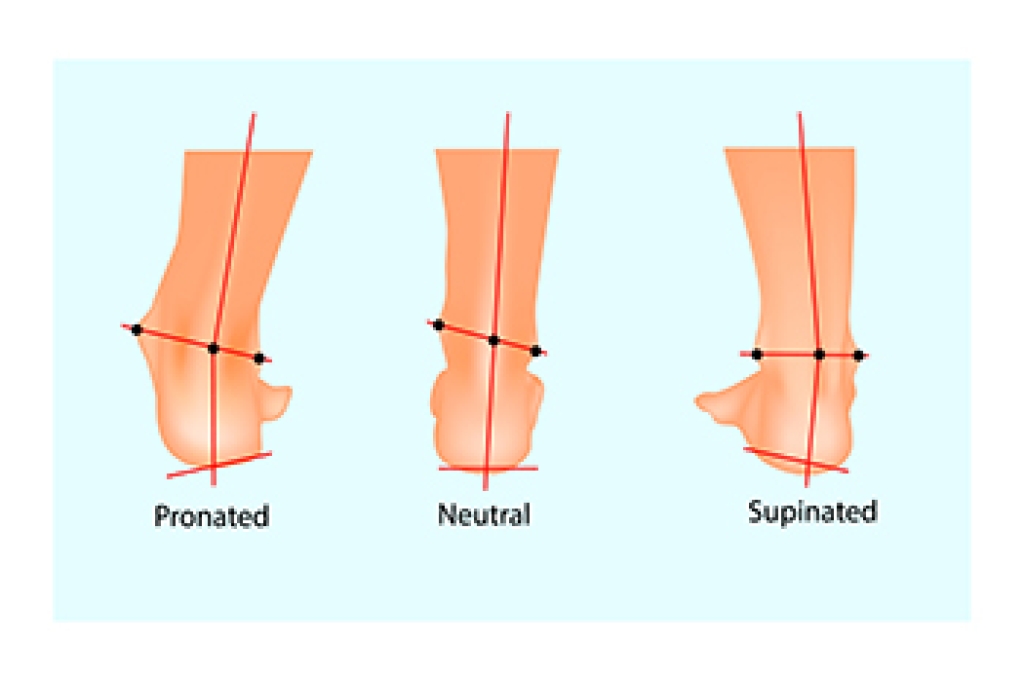
Foot pronation, particularly common in women due to factors like hip structure and footwear choices, can contribute to low back pain. Pronation occurs when the foot rolls inward excessively during walking or running, leading to an uneven distribution of weight. This misalignment creates a chain reaction that affects posture, causing the knees to rotate inward and the hips to tilt, placing strain on the lower back. Over time, this improper alignment can lead to muscle fatigue, joint stress, and chronic low back pain. Women are more susceptible due to wider hips and often wearing shoes with poor arch support. A podiatrist can help by evaluating gait and prescribing custom orthotics to correct foot alignment, offering support where it is needed most. Proper orthotics reduce pronation, relieve pressure on the lower back, and improve overall posture, helping to alleviate pain and prevent future issues. If you are experiencing low back pain, it is suggested that you make an appointment with a podiatrist to see if the biomechanics of your feet can be improved.
Podiatric biomechanics is a particular sector of specialty podiatry with licensed practitioners who are trained to diagnose and treat conditions affecting the foot, ankle and lower leg. Biomechanics deals with the forces that act against the body, causing an interference with the biological structures. It focuses on the movement of the ankle, the foot and the forces that interact with them.
A History of Biomechanics
Biomechanics dates back to the BC era in Egypt where evidence of professional foot care has been recorded.
In 1974, biomechanics gained a higher profile from the studies of Merton Root, who claimed that by changing or controlling the forces between the ankle and the foot, corrections or conditions could be implemented to gain strength and coordination in the area.
Modern technological improvements are based on past theories and therapeutic processes that provide a better understanding of podiatric concepts for biomechanics. Computers can provide accurate information about the forces and patterns of the feet and lower legs.
Understanding biomechanics of the feet can help improve and eliminate pain, stopping further stress to the foot.
If you have any questions please feel free to contact our offices located in ArlingtonWeatherford,Mineral Wells,and Farmers Branch, TX. We offer the newest diagnostic and treatment technologies for all your foot and ankle needs.
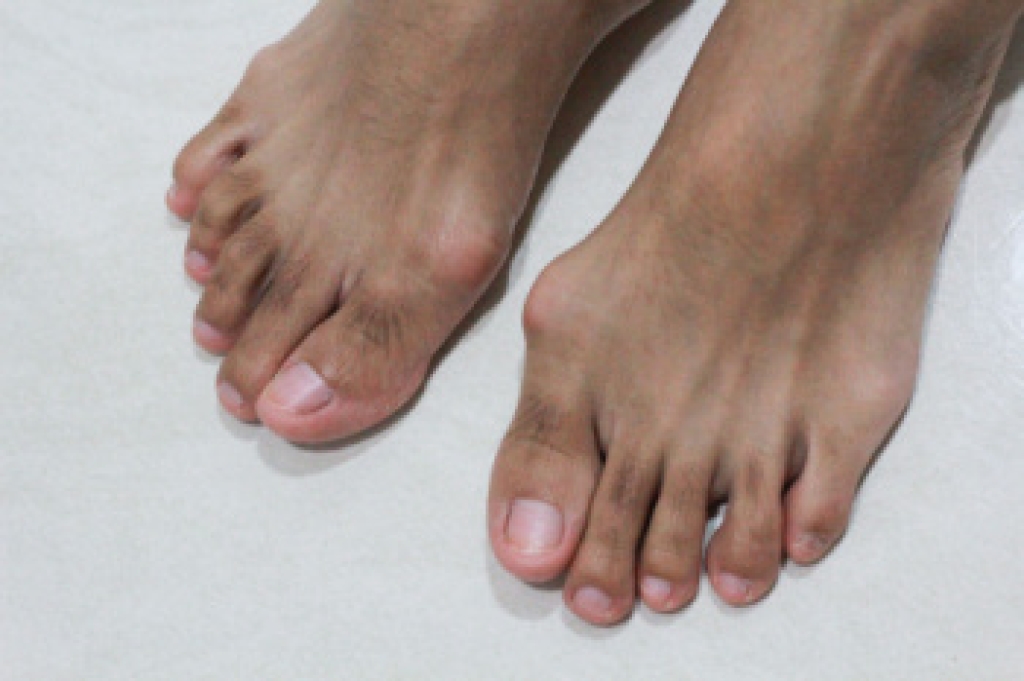
A bunion is a bony protrusion that forms at the base of the big toe, causing the toe to angle inward toward the other toes. This deformity can lead to pain, swelling, and difficulty finding comfortable footwear, and can significantly affect daily activities. The primary causes of bunions include genetics, wearing improper footwear, especially tight or high-heeled shoes, and certain foot structures. When the big toe is forced out of alignment, it places increased pressure on the joint, leading to inflammation and pain. Even after treatment, bunions can return if underlying factors, like shoe choice or foot mechanics, are not addressed. Treatment options include conservative measures like wearing supportive shoes and using custom orthotics to reduce pressure, as well as more invasive solutions like surgery for severe cases. If you have a bunion or are experiencing foot pain, it is suggested that you schedule an appointment with a podiatrist to discuss treatment options for relief, tailored to your needs.
Bunions are painful bony bumps that usually develop on the inside of the foot at the joint of the big toe. As the deformity increases over time, it may become painful to walk and wear shoes. Women are more likely to exacerbate existing bunions since they often wear tight, narrow shoes that shift their toes together. Bunion pain can be relieved by wearing wider shoes with enough room for the toes.
Causes
Genetics – some people inherit feet that are more prone to bunion development
Inflammatory Conditions - rheumatoid arthritis and polio may cause bunion development
Symptoms
Redness and inflammation
Pain and tenderness
Callus or corns on the bump
Restricted motion in the big toe
In order to diagnose your bunion, your podiatrist may ask about your medical history, symptoms, and general health. Your doctor might also order an x-ray to take a closer look at your feet. Nonsurgical treatment options include orthotics, padding, icing, changes in footwear, and medication. If nonsurgical treatments don’t alleviate your bunion pain, surgery may be necessary.
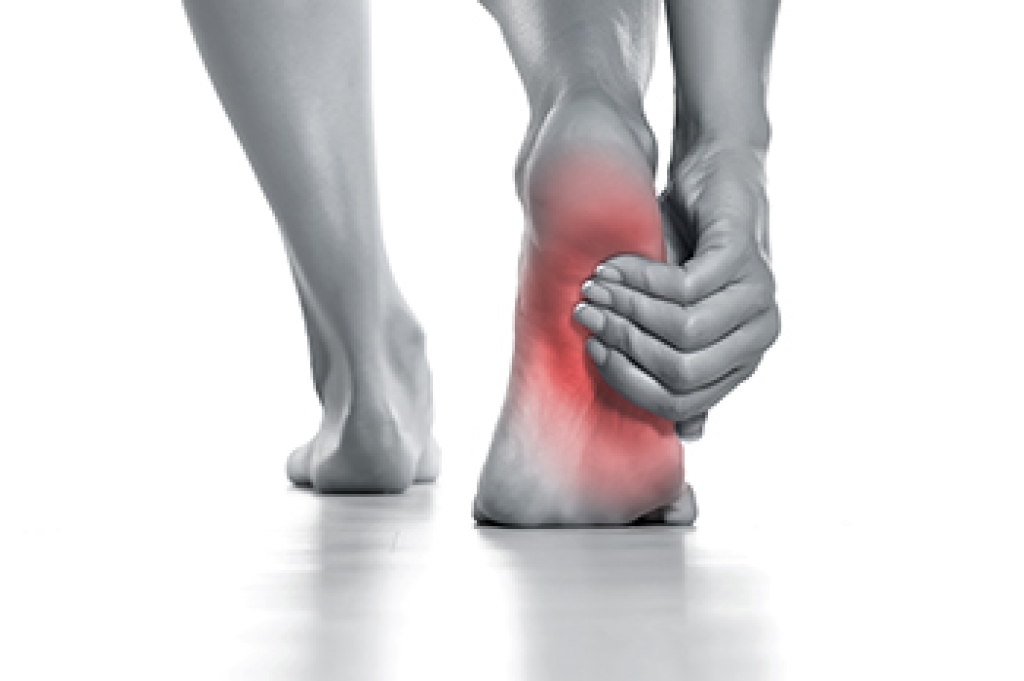
Foot arch pain can affect daily activities and reduce the overall quality of life. Symptoms typically include sharp or aching discomfort along the arch of the foot, especially after prolonged standing, walking, or engaging in physical activity. You might also experience swelling or tenderness, which can make finding comfortable footwear a challenge. Treatment options for foot arch pain often begin with stretching exercises for the calf muscles and plantar fascia which can improve flexibility and alleviate pain. Supportive footwear, along with custom orthotics, can provide arch support and cushioning. In more severe cases, a podiatrist may recommend specific treatments tailored to your condition. If you are experiencing persistent foot arch pain, it is important to schedule an appointment with a podiatrist. This type of doctor can evaluate your symptoms and recommend an effective treatment plan to help you get back on your feet comfortably.
Foot Pain
Foot pain can be extremely painful and debilitating. If you have a foot pain, consult with one of our podiatrists from Podiatry Associates of Texas. Our doctors will assess your condition and provide you with quality foot and ankle treatment.
Causes
Foot pain is a very broad condition that could be caused by one or more ailments. The most common include:
Bunions
Hammertoes
Plantar Fasciitis
Bone Spurs
Corns
Tarsal Tunnel Syndrome
Ingrown Toenails
Arthritis (such as Gout, Rheumatoid, and Osteoarthritis)
To figure out the cause of foot pain, podiatrists utilize several different methods. This can range from simple visual inspections and sensation tests to X-rays and MRI scans. Prior medical history, family medical history, and any recent physical traumatic events will all be taken into consideration for a proper diagnosis.
Treatment
Treatment depends upon the cause of the foot pain. Whether it is resting, staying off the foot, or having surgery; podiatrists have a number of treatment options available for foot pain.
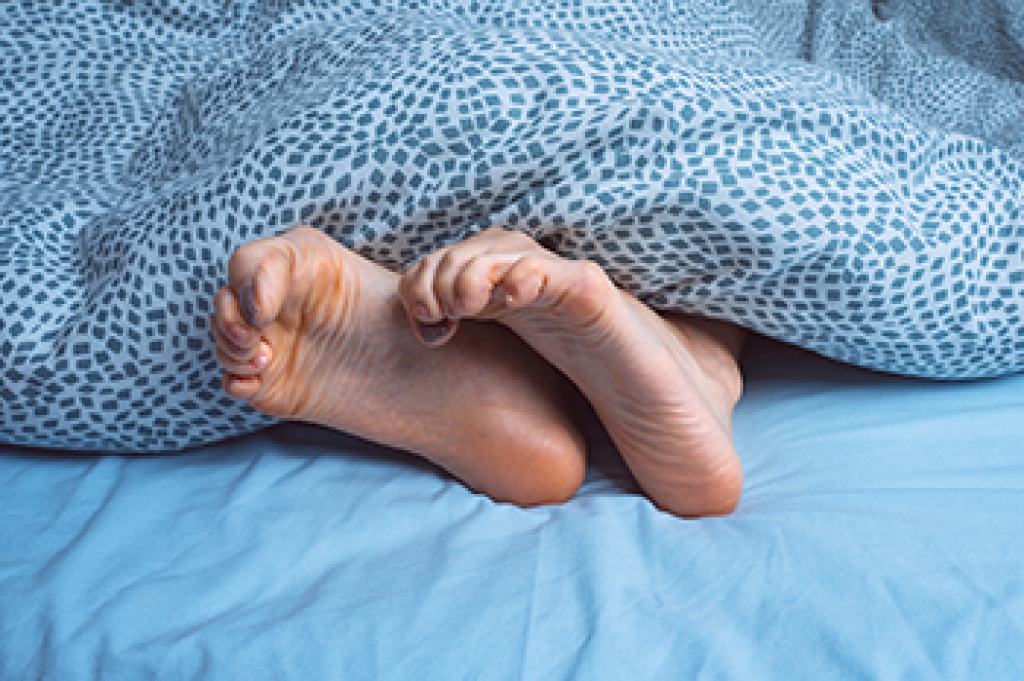
Toe cramps can be an uncomfortable and bothersome issue, often arising from several underlying causes. Tight muscles are a frequent culprit, as prolonged or intense activity can lead to muscle spasms in the toes. Damaged nerves, possibly due to conditions like neuropathy, can also contribute to cramping by disrupting normal nerve function. Wearing poor fitting shoes can worsen the problem by compressing or pinching the toes, restricting circulation and causing cramps. Additionally, a lack of exercise or stretching can lead to weakened and inflexible muscles, making them more prone to cramping. If you have toe cramps, it is suggested that you visit a podiatrist who can determine the cause and offer effective relief and treatment methods.
Toe pain can disrupt your daily activities. If you have any concerns, contact one of our podiatrists of Podiatry Associates of Texas. Our doctors can provide the care you need to keep you pain-free and on your feet.
What Causes Toe Pain?
Most severe toe pain is caused due to a sports injury, trauma from dropping something heavy on the toe, or bumping into something rigid. Other problems can develop over time for various reasons.
Toe pain can be caused by one or more ailments. The most common include:
Trauma
Sports injury
Wearing shoes that are too tight
Arthritis
Gout
Corns and calluses
Hammertoe
Bunions
Blisters
Ingrown toenails
Sprains
Fractures (broken bones)
Dislocations
When to See a Podiatrist
Severe pain
Persistent pain that lasts more than a week
Signs of infection
Continued swelling
Pain that prevents walking
Diagnosis
In many cases the cause of toe pain is obvious, but in others, a podiatrist may want to use more advanced methods to determine the problem. These can range from simple visual inspections and sensation tests to X-rays and MRI scans. Prior medical history, family medical history, and any recent physical traumatic events will all be taken into consideration for a proper diagnosis.
Treatment
Treatments for toe pain and injuries vary and may include shoe inserts, padding, taping, medicines, injections, and in some cases, surgery. If you believe that you have broken a toe, please see a podiatrist as soon as possible.